Xaris
5.0
5.0
Funny and informative guide. Totally recommended!
Explore Los Tres Ojos, Faro a Colón and the Colonial Zone on a full-day Santo Domingo tour with lunch, history and culture.
Santo Domingo: Los Tres Ojos, Faro a Colón and Colonial Zone Full-Day Cultural Tour with Lunch
Discover the Soul of the Dominican Republic in One Unforgettable Day
The Dominican Republic is famous worldwide for its white-sand beaches, turquoise waters, and luxury resorts, but beyond the coastline lies a destination that tells the story of an entire hemisphere. Hidden beneath modern avenues, colorful streets, and lively plazas is a city where history was born, civilizations met, and cultures blended to create the vibrant Caribbean nation visitors fall in love with today.
A full-day journey through Santo Domingo offers travelers something far more meaningful than sightseeing. It is an opportunity to walk through more than five centuries of history, stand inside natural wonders carved by time itself, admire monumental architecture, taste authentic Dominican flavors, and experience the heartbeat of the oldest European city in the Americas.
The Santo Domingo: Los Tres Ojos, Faro a Colón and Colonial Zone Tour has been designed for travelers seeking more than a beach vacation. Whether you are staying in Punta Cana, Bayahibe, La Romana, Boca Chica, or nearby areas, this cultural excursion reveals a side of the Dominican Republic that many visitors never discover.
From hidden underground lagoons to cobblestone streets recognized by UNESCO, every stop on this experience invites travelers to immerse themselves in stories of explorers, indigenous civilizations, colonial heritage, religion, art, and Dominican traditions.
If you want to understand the true identity of the Dominican Republic, there is simply no better place to begin.
Most visitors arrive in the Dominican Republic dreaming about palm trees and beach cocktails. Yet those who venture inland toward Santo Domingo often leave with their most cherished memories.
Santo Domingo is much more than the capital city.
It is the birthplace of European civilization in the New World.
It is where the first cathedral of the Americas was built.
It is where the first paved streets, hospitals, monasteries, and universities in the Western Hemisphere emerged.
It is a city where history does not remain behind museum walls.
Instead, it breathes.
It dances.
It sings.
It flavors every dish served in family-owned restaurants.
It echoes through centuries-old stone alleys.
It reflects in the still waters of mysterious underground caves.
A visit to Santo Domingo allows travelers to experience an entirely different atmosphere from the country's resort areas.
Here, local life unfolds naturally.
Street musicians perform merengue rhythms.
Artists display handmade crafts.
Historic squares fill with laughter.
Dominican families gather under shade trees.
The aroma of freshly brewed coffee drifts from charming cafés.
Travelers quickly discover why many consider Santo Domingo to be the cultural heart of the Caribbean.
One of the greatest advantages of this excursion is its ability to combine nature, history, architecture, gastronomy, and cultural immersion into a perfectly balanced itinerary.
Rather than spending days planning transportation, tickets, restaurants, and guides, travelers enjoy a seamless experience led by knowledgeable professionals.
The tour includes visits to three of the Dominican Republic's most treasured attractions:
A spectacular underground cave system featuring crystal-clear freshwater lagoons hidden beneath limestone formations.
One of the Caribbean's most recognizable monuments, honoring the legacy of Christopher Columbus while housing exhibits gifted by countries from around the world.
A UNESCO World Heritage Site where visitors stroll along the oldest streets built by Europeans in the Americas while admiring centuries-old churches, museums, plazas, and palaces.
Together, these destinations provide a complete introduction to Dominican heritage.
The experience starts early in the morning as guests are conveniently collected from designated hotels or meeting points.
Travelers can relax inside comfortable air-conditioned transportation while enjoying scenic views along the journey toward Santo Domingo.
As modern highways gradually give way to the bustling streets of the capital, anticipation begins to build.
Knowledgeable guides often introduce the day's schedule, share historical anecdotes, discuss Dominican customs, and answer questions.
For many visitors, this journey represents their first opportunity to witness everyday Dominican life outside resort communities.
You may notice roadside fruit vendors selling coconuts.
Small villages appear along the route.
Colorful homes dot the landscape.
Children play baseball in open fields.
Motorcycles weave through neighborhoods.
These simple observations help visitors connect more deeply with local culture.
By the time travelers reach Santo Domingo, they already feel immersed in a richer Dominican experience.
The first major highlight of the excursion introduces visitors to one of the most extraordinary natural attractions in the Caribbean.
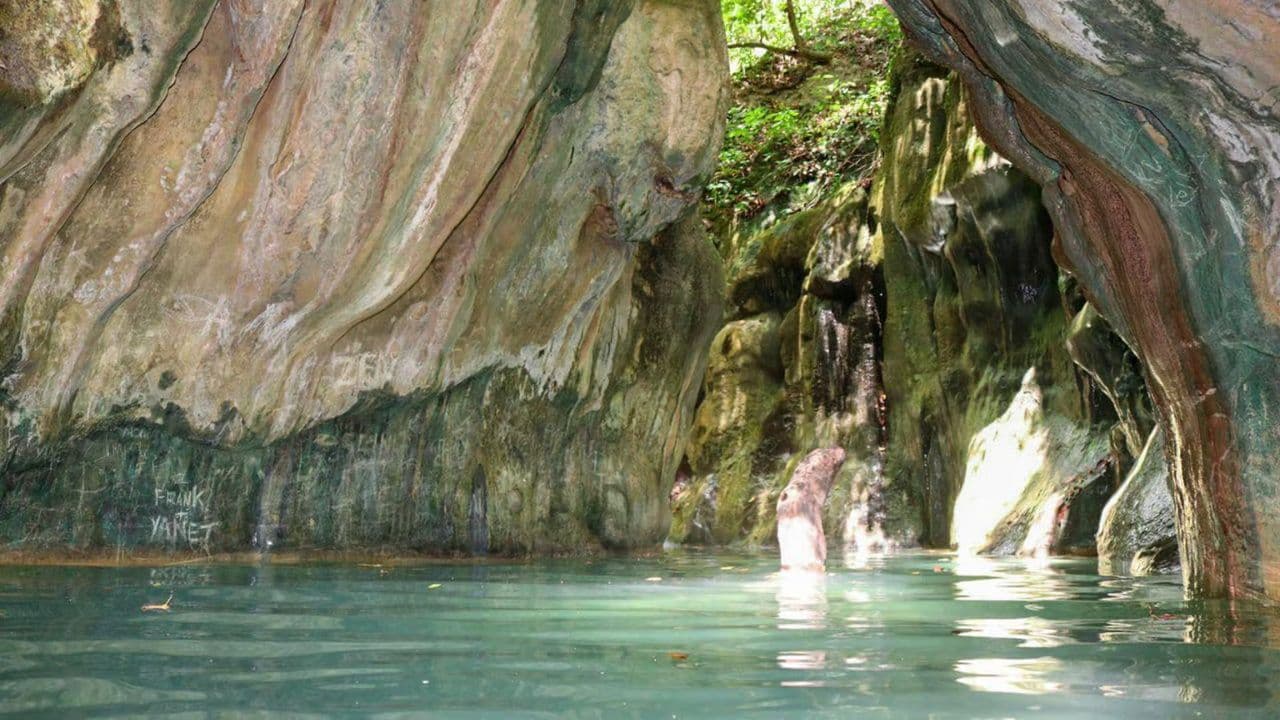
Los Tres Ojos National Park is unlike anything many travelers have ever encountered.
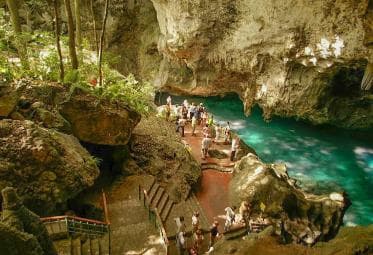
Imagine descending stone stairways into a cool subterranean environment where sunlight filters softly through openings in the earth.
Massive limestone walls surround you.
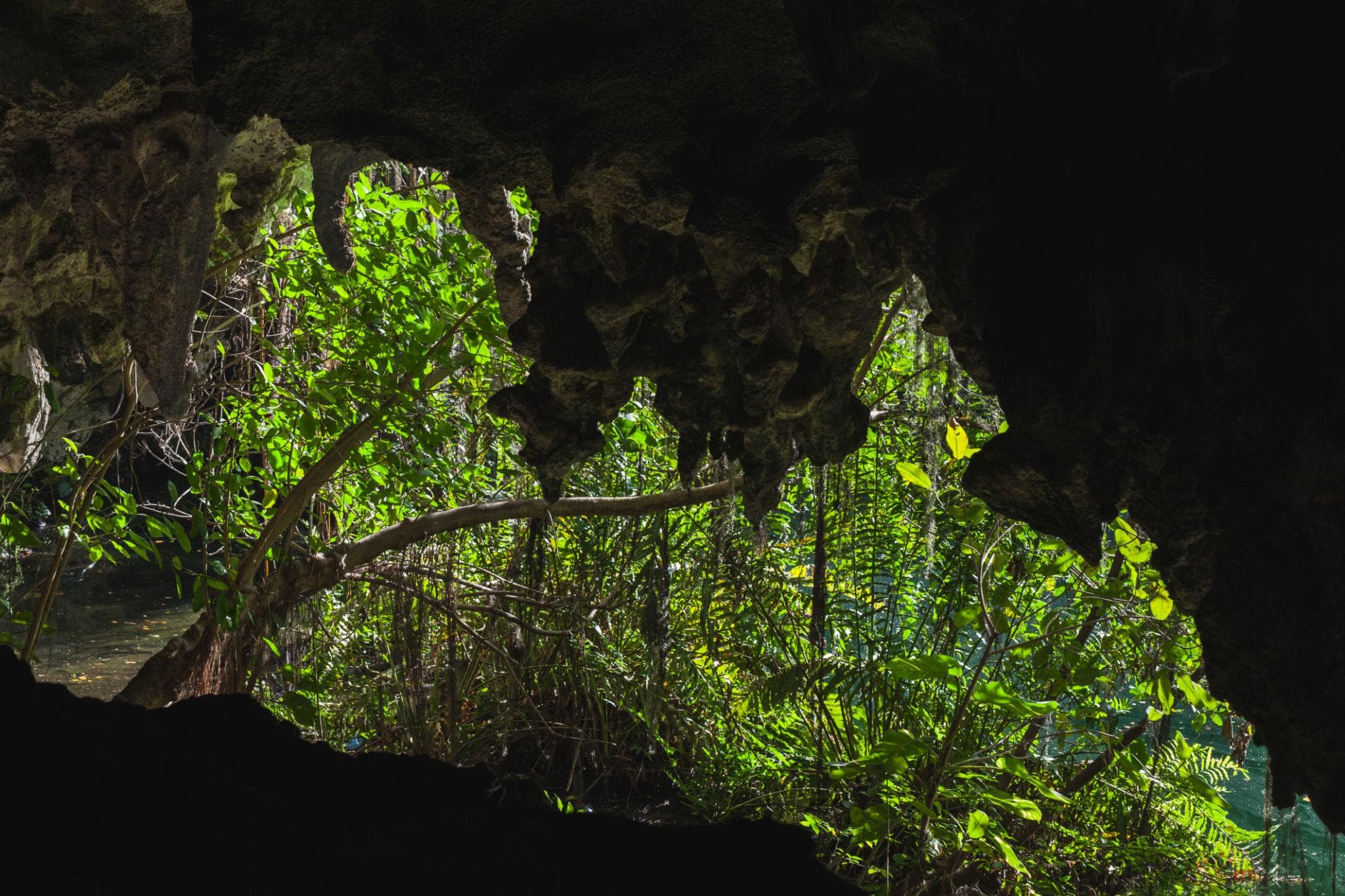
Ancient stalactites hang overhead.
Crystal-clear lakes shimmer with shades of emerald, turquoise, and sapphire.
Silence dominates the atmosphere.
Only dripping water and distant bird songs interrupt the tranquility.
The name "Los Tres Ojos," meaning "The Three Eyes," originates from the three original freshwater lagoons discovered inside interconnected limestone caverns.
A fourth hidden lagoon can also be reached by crossing the water aboard a small raft.
Scientists believe these formations developed thousands of years ago through geological processes that slowly sculpted the underground landscape.
Long before European arrival, indigenous Taíno communities considered these caves sacred spaces.
Guides often explain how native inhabitants may have used the area for rituals, shelter, and access to fresh water.
Visitors frequently describe Los Tres Ojos as magical.
Photographers adore the dramatic contrasts between sunlight and shadow.
Nature enthusiasts appreciate the ecological significance.
Families enjoy exploring the pathways.
History lovers become fascinated by stories of the island's earliest civilizations.
Walking through Los Tres Ojos feels like entering another world hidden beneath one of the Caribbean's busiest cities.
It is a destination capable of surprising even experienced travelers.
One reason Los Tres Ojos leaves such a lasting impression is the unexpected contrast it creates.
Travelers arrive expecting city traffic and colonial architecture.
Instead, they encounter a peaceful sanctuary filled with lush vegetation.
Tropical plants cling to limestone walls.
Birds fly overhead.
Small fish swim beneath transparent waters.
The temperature remains pleasantly cool.
Visitors immediately forget they are standing within a metropolitan area housing millions of residents.
The experience provides a refreshing escape from the Caribbean heat.
Many guests consider Los Tres Ojos to be among the most photogenic locations in the Dominican Republic.
Every angle reveals another stunning composition.
Sunlight dances across still waters.
Stone formations create natural frames.
The surrounding jungle adds vibrant shades of green.
Whether using a professional camera or smartphone, travelers leave with memorable photographs worthy of postcards.
After experiencing the natural beauty of Los Tres Ojos, the tour continues toward one of Santo Domingo's most imposing landmarks.
The Faro a Colón, also known as Columbus Lighthouse, rises dramatically above the skyline.
Its enormous cross-shaped structure stretches nearly six hundred feet in length and symbolizes the arrival of European exploration in the Americas.
Constructed during the twentieth century, the monument serves both as a memorial and cultural center.
Inside the lighthouse, visitors can explore exhibits donated by nations worldwide.
Collections include religious artifacts, historical documents, paintings, ceremonial objects, and cultural displays.
Guides share fascinating stories about Christopher Columbus, maritime expeditions, colonial encounters, and the lasting impact of transatlantic exploration.
Regardless of personal opinions regarding historical events, Faro a Colón encourages reflection about how exploration transformed societies forever.
The monument remains one of the Dominican Republic's most significant national symbols.
Outside, travelers often pause to admire panoramic views and capture photographs.
Its monumental scale impresses visitors from every corner of the globe.
Standing beneath the lighthouse offers a powerful reminder of the Dominican Republic's importance in global history.
History in Santo Domingo is not simply about dates and monuments.
It is deeply connected to Dominican identity.
Residents take pride in preserving traditions while embracing modern life.
Guides frequently share personal stories.
They explain local customs.
They discuss music, family values, cuisine, sports, and celebrations.
These conversations help visitors understand contemporary Dominican society beyond stereotypes.
Travelers begin recognizing that Santo Domingo represents resilience.
It represents creativity.
It represents cultural fusion.
African, Spanish, Taíno, and Caribbean influences coexist harmoniously.
Visitors often leave with newfound appreciation for the richness of Dominican heritage.
Exploring centuries of history naturally builds an appetite.
Midway through the excursion, guests are invited to enjoy a traditional Dominican lunch.
Dining is an essential component of cultural travel.
Food tells stories.
Recipes pass through generations.
Ingredients reflect geography and identity.
A typical Dominican meal may include:
Fresh rice
Beans
Stewed chicken
Roasted pork
Seasonal vegetables
Plantains
Salads
Tropical fruit
Homemade desserts
Guests often have opportunities to sample authentic Dominican flavors rarely found inside international resort buffets.
The atmosphere is welcoming.
Meals encourage conversation.
Travelers exchange experiences.
Families relax.
Friends laugh.
The lunch break provides a pleasant moment to recharge before continuing deeper into Santo Domingo's historic treasures.
For many visitors, tasting genuine Dominican cuisine becomes one of the most memorable moments of the day.
Because culture is not only observed.
Culture is also savored.
Following lunch, excitement grows as travelers prepare to enter the legendary Colonial Zone.
Few places in the Western Hemisphere possess historical significance equal to this remarkable district.
Behind ancient stone walls waits a living museum unlike anywhere else in the Caribbean.
Every street tells a story.
Every building preserves memories.
Every plaza invites exploration.
And every step brings visitors closer to understanding how the modern Americas began.
The Colonial Zone is not merely visited.
It is experienced.
It is felt.
It is remembered.
And for countless travelers, it becomes the highlight of their Dominican Republic vacation.
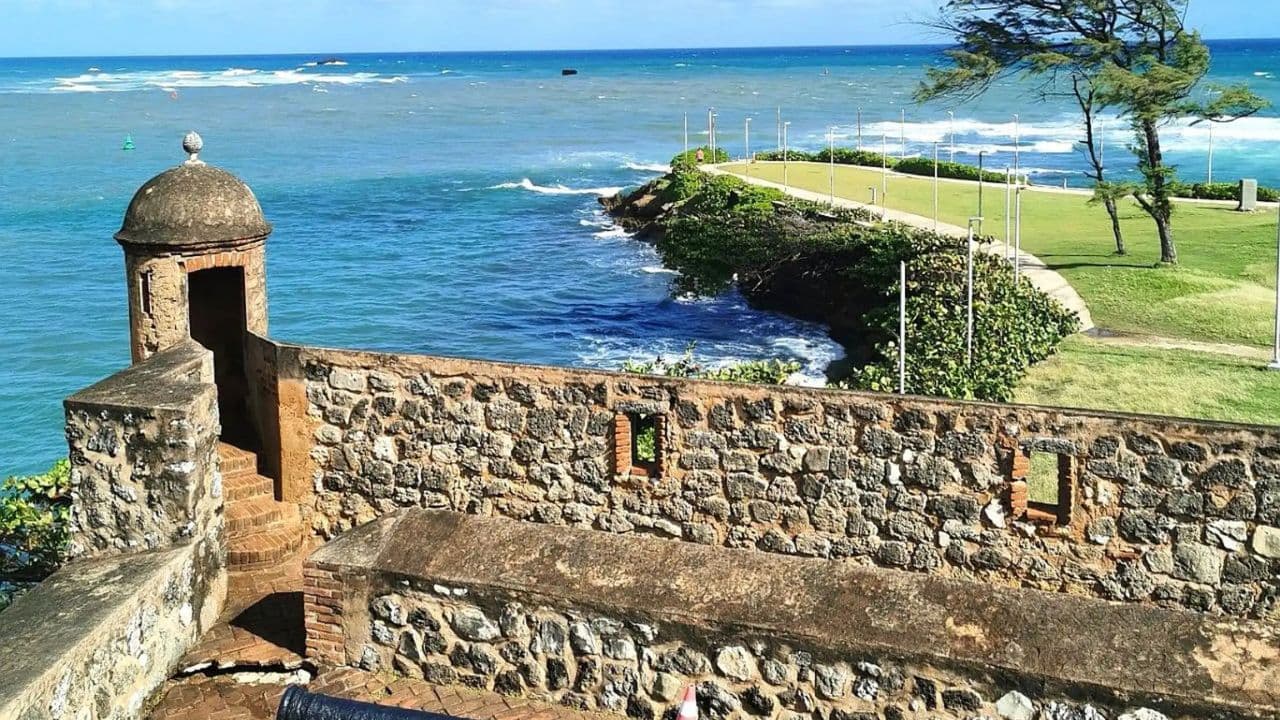
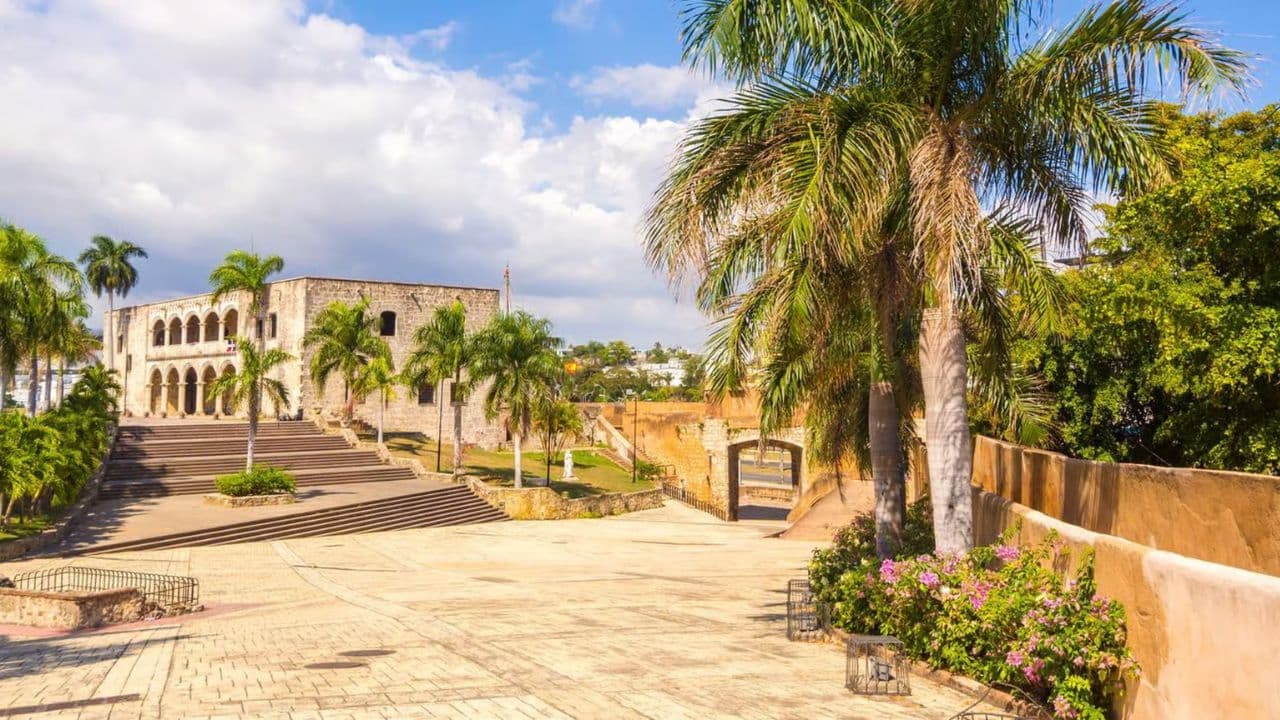
Stepping into the Colonial Zone feels like walking through the pages of a living history book. Designated as a UNESCO World Heritage Site in 1990, this district preserves the oldest permanent European settlement established in the Americas and remains one of the most important cultural treasures in the Caribbean.
Unlike traditional museums where artifacts remain behind glass displays, the Colonial Zone invites visitors to become part of history itself. Travelers wander through narrow cobblestone streets lined with centuries-old buildings, colorful facades, charming cafés, artisan boutiques, and shaded plazas where local musicians often perform traditional Dominican melodies.
The atmosphere is unlike anywhere else in the Dominican Republic.
Modern life and colonial heritage coexist beautifully.
Horse-drawn carriages occasionally pass by.
Artists paint historic scenes.
Street vendors offer handmade souvenirs.
Church bells ring softly in the distance.
Dominican families gather in public squares while visitors from around the world admire architectural masterpieces dating back more than five hundred years.
For travelers interested in culture, photography, architecture, gastronomy, religion, or history, the Colonial Zone offers endless opportunities for discovery.
One of the greatest advantages of this excursion is the opportunity to explore some of Santo Domingo's most iconic historical sites in a single day.
Depending on the tour schedule and available access, visitors may admire or visit several important landmarks located within the Colonial Zone.
Standing proudly in the heart of the historic district, the Cathedral of Santa María la Menor is recognized as the oldest cathedral in the New World.
Its impressive Gothic and Renaissance influences reflect centuries of religious history.
Inside, visitors can appreciate elegant vaulted ceilings, sacred artwork, chapels, and architectural details preserved through generations.
The cathedral remains an active place of worship while also serving as a symbol of Santo Domingo's spiritual heritage.
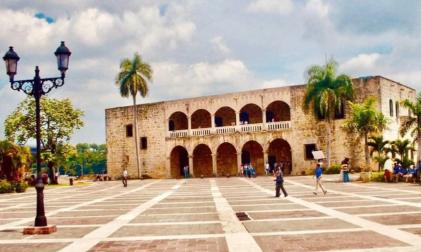
Built during the early sixteenth century, this magnificent palace once served as the residence of Diego Columbus, son of Christopher Columbus.
Today, it houses valuable collections of furniture, decorative arts, and historical objects that offer insight into colonial aristocratic life.
Visitors often admire the palace's beautiful stone façade overlooking Plaza España.
Known as the oldest paved street in the Americas, Calle Las Damas continues to fascinate visitors.
Walking along this historic avenue allows travelers to imagine noblewomen, soldiers, explorers, and governors strolling these same pathways centuries ago.
The street remains one of the most photographed locations within Santo Domingo.
This spacious plaza provides one of the most picturesque settings in the Colonial Zone.
Surrounded by restaurants, cafés, galleries, and historical buildings, Plaza de España offers excellent opportunities for photographs and leisurely exploration.
Travelers frequently pause here to absorb the atmosphere while enjoying panoramic views of the surrounding architecture.
Another important cultural landmark is the National Pantheon, a solemn monument dedicated to honoring distinguished Dominican heroes.
Its impressive interior features marble floors, religious influences, and ceremonial significance that reflect the country's pride in preserving national memory.
The adventure typically begins early in the morning.
Guests are collected from designated hotels, resorts, or agreed meeting points.
Comfortable transportation ensures a relaxing journey toward Santo Domingo.
Professional guides introduce the day's schedule while sharing interesting information about Dominican culture, history, and local traditions.
Travelers can simply sit back, enjoy the scenery, and prepare for a day filled with unforgettable experiences.
Upon arriving at Los Tres Ojos, visitors descend into a fascinating underground environment hidden beneath the city.
Highlights include:
Walking through ancient limestone caves
Viewing crystal-clear freshwater lagoons
Learning about Taíno indigenous history
Exploring tropical vegetation
Photographing one of Santo Domingo's most unique natural attractions
Optional traditional raft crossing to the hidden fourth lagoon
Guides provide explanations regarding geological formations, ecological importance, and local legends associated with the caves.
Visitors usually spend sufficient time exploring pathways and appreciating the serene surroundings.
The next destination is the impressive Faro a Colón monument.
Activities may include:
Exterior photography
Guided historical interpretation
Visiting exhibition halls
Learning about the Age of Discovery
Understanding the Dominican Republic's historical importance
Travelers often appreciate the monument's symbolic significance and monumental architecture.
After a morning rich in exploration, guests enjoy a well-deserved lunch featuring local specialties.
Lunch generally offers a pleasant opportunity to relax and socialize.
Common menu options may include:
Rice dishes
Beans
Chicken stew
Roasted meats
Fresh vegetables
Plantains
Desserts
Seasonal fruits
Refreshing beverages
Meals help travelers experience authentic Dominican hospitality while preparing for the afternoon portion of the excursion.
The afternoon focuses on discovering the remarkable Colonial Zone.
Highlights commonly include:
Historic squares
Ancient churches
Museums
Government buildings
Palaces
Monasteries
Traditional houses
Cultural monuments
Guests walk along charming streets while guides explain important historical events that shaped the Dominican Republic and the Americas.
There is often free time available for photographs, shopping, coffee breaks, or purchasing handmade souvenirs.
Travelers can browse artisan stores selling:
Larimar jewelry
Amber stones
Dominican cigars
Handcrafted ceramics
Paintings
Coffee
Chocolate
Traditional gifts
Following an enriching cultural experience, travelers board transportation for the return trip.
Many guests spend the drive back reviewing photographs, sharing favorite moments, and reflecting on the discoveries made throughout the day.
Guests are returned safely to their original pick-up locations.
The tour concludes with memories that often become highlights of an entire Dominican Republic vacation.
Historic streets consist largely of cobblestones and uneven surfaces.
Supportive footwear significantly improves comfort.
This excursion provides exceptional photography opportunities.
Los Tres Ojos alone offers countless memorable compositions.
A hat, sunglasses, and sunscreen are recommended, particularly while exploring outdoor plazas.
The Dominican climate can be warm throughout the year.
Drinking water regularly helps maintain energy levels.
Visitors entering religious sites may prefer modest attire.
Lightweight clothing remains ideal for tropical temperatures.
Many travelers face the challenge of selecting between beaches, adventure excursions, and historical experiences.
This tour successfully combines several interests into a single day.
Instead of purchasing separate admissions and arranging transportation independently, travelers enjoy an efficient itinerary designed by local experts.
Experienced guides transform ordinary sightseeing into meaningful storytelling.
Historical events become engaging narratives.
Cultural traditions become personal experiences.
Travelers gain insights that independent visits rarely provide.
Parents appreciate educational opportunities.
Children enjoy caves, monuments, and interactive surroundings.
Teenagers frequently enjoy photography opportunities.
Seniors value the relaxed pace and comfortable transportation.
Guests staying primarily in beach resorts often discover a completely different side of the Dominican Republic.
The excursion helps visitors understand the country's origins, traditions, and national identity.
Choosing an organized tour offers numerous benefits.
No need to navigate unfamiliar roads.
No parking concerns.
No logistical planning.
Transportation arrangements are already managed.
A carefully designed itinerary maximizes sightseeing opportunities while minimizing waiting times.
Guides provide valuable recommendations and cultural insights unavailable in guidebooks.
Combining transportation, guiding services, lunch, and attraction visits often represents better value than arranging individual experiences separately.
Thousands of travelers visit Santo Domingo each year seeking authentic connections with Dominican culture.
Excursions such as this help preserve appreciation for historical landmarks while supporting local communities, restaurants, artisans, and cultural initiatives.
Guests consistently praise cultural tours because they create deeper emotional connections with destinations.
Long after beach tans fade, travelers often remember the stories learned, conversations shared, photographs captured, and discoveries made within Santo Domingo.
History becomes personal.
Culture becomes tangible.
The Dominican Republic becomes more than a vacation destination.
It becomes an experience.
Escape the resort for a day and uncover the fascinating origins of the Caribbean's most visited destination.
Explore mysterious underground lagoons.
Admire monumental architecture.
Walk through streets where history was written.
Taste authentic Dominican cuisine.
Capture extraordinary photographs.
Connect with local traditions.
Whether you are a history enthusiast, cultural explorer, photographer, family traveler, or simply curious about discovering the authentic Dominican Republic, the Santo Domingo: Los Tres Ojos, Faro a Colón and Colonial Zone Tour promises an unforgettable journey through centuries of heritage, natural beauty, and vibrant Caribbean culture.
Reserve your experience today and discover why Santo Domingo continues to inspire travelers from around the world. Let the oldest city in the Americas welcome you with stories, flavors, and memories that will remain with you long after your journey comes to an end.
This is typically a full-day cultural excursion lasting approximately 10 to 12 hours, depending on your hotel location, traffic conditions, and the amount of time spent at each attraction. Guests staying in Punta Cana, Bayahibe, or La Romana should expect an early morning departure and return in the evening.
The tour generally includes visits to three of Santo Domingo's most iconic sites:
Los Tres Ojos National Park
Faro a Colón (Columbus Lighthouse)
The Colonial Zone, a UNESCO World Heritage Site
Depending on the itinerary, travelers may also see landmarks such as the First Cathedral of the Americas, Alcázar de Colón, Calle Las Damas, Plaza de España, and the National Pantheon.
Yes. Most Santo Domingo cultural tours include round-trip transportation from selected hotels and designated meeting points in Punta Cana, Bayahibe, La Romana, Boca Chica, and nearby tourist areas. It is recommended to confirm your exact pick-up location after booking.
Yes, a traditional Dominican lunch is commonly included in the tour package. Meals often feature local specialties such as rice, beans, chicken, pork, plantains, fresh salads, and tropical fruits. Beverage options may vary depending on the provider.
Most tour packages include admission tickets to Los Tres Ojos National Park and other scheduled attractions. Travelers should verify the final inclusions listed in their booking confirmation to avoid unexpected expenses.
Absolutely. Families with children often enjoy this excursion because it combines nature, history, and cultural experiences in an engaging way. Kids are usually fascinated by the underground lagoons at Los Tres Ojos and the historic atmosphere of the Colonial Zone.
Parents should supervise younger children near stairways, cave pathways, and water areas.
Yes. The tour is suitable for most seniors who are comfortable with moderate walking. Some attractions, particularly Los Tres Ojos, involve descending and climbing staircases. Seniors with mobility concerns should consult the tour operator before booking.
Travelers should expect a moderate amount of walking throughout the day. The Colonial Zone features cobblestone streets, and Los Tres Ojos requires navigating stairs and pathways within the cave system.
Comfortable walking shoes are highly recommended.
Lightweight and breathable clothing is ideal for Santo Domingo's tropical climate.
Recommended items include:
Comfortable walking shoes
Sunglasses
Hat or cap
Sunscreen
Small backpack
Camera or smartphone
Reusable water bottle
Visitors planning to enter churches may prefer clothing that covers shoulders and knees.
Yes. Photography is one of the highlights of visiting Los Tres Ojos.
Travelers are encouraged to bring cameras or smartphones to capture:
Crystal-clear lagoons
Limestone formations
Tropical vegetation
Cave landscapes
Natural lighting effects
Flash photography may be discouraged in certain sensitive areas.
Los Tres Ojos is one of the Dominican Republic's most unique natural attractions.
It consists of interconnected limestone caves containing freshwater lagoons that formed thousands of years ago. The site was also historically associated with the indigenous Taíno people and offers visitors an extraordinary underground ecosystem hidden within Santo Domingo.
Faro a Colón, or Columbus Lighthouse, is a monumental structure dedicated to commemorating Christopher Columbus and the Age of Discovery.
The building houses cultural exhibits donated by countries worldwide and serves as an important symbol of Dominican history and international heritage.
The Colonial Zone is famous because it is the oldest continuously inhabited European settlement in the Americas.
It is home to numerous historical landmarks, including:
The First Cathedral of the Americas
Alcázar de Colón
Calle Las Damas
Plaza de España
Colonial-era monasteries and museums
The district was designated a UNESCO World Heritage Site due to its exceptional cultural importance.
Yes. Most itineraries provide free time within the Colonial Zone for shopping, coffee breaks, and exploring independently.
Popular souvenirs include:
Larimar jewelry
Dominican amber
Organic coffee
Handcrafted cigars
Chocolate products
Local artwork
Handmade crafts
Yes. Restroom facilities are typically available at Los Tres Ojos, restaurants, museums, and other designated stops throughout the tour.
Guests are encouraged to use facilities whenever opportunities arise during the day.
The tour usually operates in light rain, as many attractions remain accessible throughout the year.
Travelers should consider bringing a compact umbrella or lightweight rain jacket, especially during the tropical rainy season.
In cases of severe weather conditions, operators may modify schedules or offer alternative arrangements.
Yes. Santo Domingo city tours operate throughout the year, including most holidays and peak tourist seasons.
The Dominican Republic enjoys warm temperatures year-round, making cultural excursions possible during all months.
Absolutely.
Many visitors staying in Punta Cana consider this excursion one of the best ways to experience the authentic Dominican Republic beyond beaches and resorts.
It offers a unique combination of natural beauty, colonial history, local cuisine, and cultural immersion that complements a traditional Caribbean vacation.
Booking in advance is highly recommended, especially during holidays, winter travel periods, and high tourist seasons.
Early reservations help secure preferred dates, guarantee availability, and simplify vacation planning.
This excursion is ideal for:
History enthusiasts
Cultural travelers
Families with children
Couples
Cruise passengers
Photographers
First-time visitors to the Dominican Republic
Travelers seeking experiences beyond resort activities
Whether you are passionate about architecture, nature, gastronomy, or Caribbean heritage, this tour offers a well-rounded and memorable introduction to the rich history and culture of Santo Domingo.
After completing your reservation, our team will contact you one day before your tour to confirm your exact hotel / Airbnb pickup time or meeting point.
If you selected a meeting point during your booking, please note that your reservation is fully confirmed — simply arrive at the chosen location at the scheduled time.
Please ensure the WhatsApp number, phone number, or email you entered during booking is correct so we can reach you smoothly.
For any changes to your reservation, weather questions, or special requests, feel free to contact us:
We look forward to welcoming you! 🌴✨
Funny and informative guide. Totally recommended!
There is no trip like the old good trip so thanks from the team now. What an all that been done what to thank cheers from wow team good value.
I had so much fun, all staff were lovely. Excellent time out. The day was amazing with great service. I really enjoyed the company.
This was a great experience. Exceeded expectations.
My highlight was definitely the local guide! The tour guide really showed us the ropes! We got a chance to go on a great tour with new friends!