Ulysses
5.0
5.0
The staff are all excellent. A highly memorable day out. 10 stars, can't wait to come back.
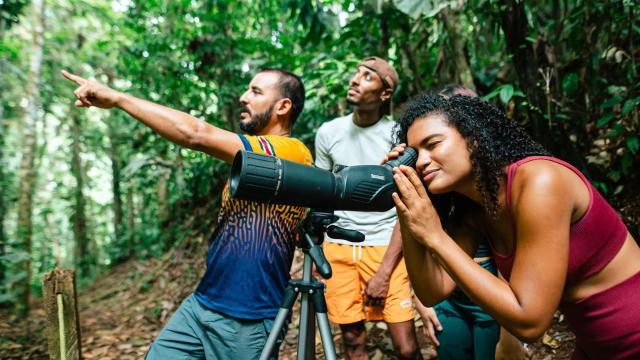
Join a guided birdwatching tour in Puerto Viejo at Nativo Park. Discover 350+ bird species in Costa Rica’s lush rainforest with expert naturalist guides.
Puerto Viejo, Limón Birdwatching Tour at Nativo Park – Guided Nature Walk Through Costa Rica’s Tropical Bird Paradise
Deep in the lush Caribbean slope of southeastern Costa Rica lies one of the most biologically rich and visually captivating ecosystems in the world. The Puerto Viejo, Limón Birdwatching Tour at Nativo Park is not just a guided walk through nature—it is an immersive journey into a thriving natural corridor where life moves in rhythm with the forest, where every rustle of leaves might reveal a toucan perched above, and every burst of color in the canopy could be a hummingbird feeding on tropical blossoms.
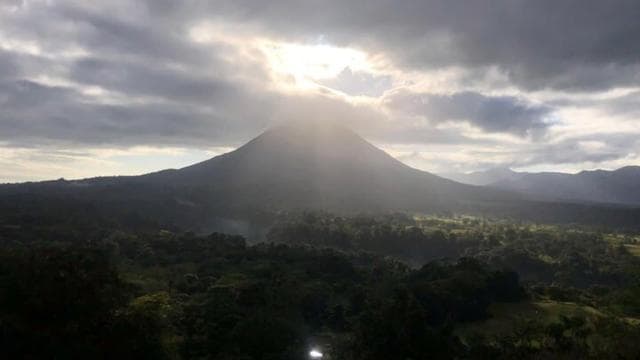
Set within the renowned biodiversity of Costa Rica, this experience takes place in the lush landscapes of the Southern Caribbean region near Puerto Viejo de Talamanca. The tour explores the ecological treasure of the Talamanca biological corridor, one of the most important wildlife passageways in Central America. Here, dense tropical vegetation, fruiting trees, flowering heliconias, and pristine forest trails create an ideal habitat for over 350 recorded bird species.
This birdwatching experience at Nativo Park is carefully designed for travelers who seek more than sightseeing. It is for those who want to slow down, observe, listen, and truly connect with nature in its purest form. Whether you are a seasoned birdwatcher, a passionate photographer, or a curious traveler experiencing tropical biodiversity for the first time, this guided tour offers a deeply rewarding encounter with Costa Rica’s avian world.
Unlike fast-paced tourist excursions, this is a gentle two-hour journey through a 1.8 km ecological trail where your senses are awakened by the sounds of rustling leaves, distant calls of tropical birds, and the soft breeze moving through ancient trees like Ficus and Inga. Each step reveals something new, guided by an expert naturalist who transforms the forest into a living classroom.
The Puerto Viejo region, located along the southern Caribbean coast of Costa Rica, is globally recognized for its exceptional biodiversity and cultural richness. This area blends tropical rainforest ecosystems, Afro-Caribbean heritage, and indigenous traditions, creating a unique destination that feels both wild and welcoming.
The surrounding Talamanca region is one of the most important conservation zones in Central America. It is part of a vast ecological network that connects national parks, protected reserves, and indigenous territories. This uninterrupted habitat allows wildlife to move freely, making it one of the best regions in the world for birdwatching.
The climate in this region is tropical and humid, with lush greenery year-round. Rainfall nourishes dense forests filled with towering canopy trees, vines, orchids, and countless flowering plants that attract a wide variety of birds. The abundance of food sources, combined with protected forest corridors, creates an ideal environment for both resident and migratory species.
Birdwatchers visiting this region often encounter an astonishing variety of species within a single morning walk. From the vibrant keel-billed toucan to the elusive great curassow, the forest is alive with color, sound, and motion. Hummingbirds dart between flowers, tanagers move in small flocks through the canopy, and raptors soar high above the treeline during migration seasons.
The ecological importance of this area cannot be overstated. It serves as a critical migratory pathway for birds traveling between North and South America. Between November and April, the skies become especially active with migratory raptors, making this period one of the most rewarding times for birdwatching enthusiasts.
At the heart of this tour is Nativo Park, a protected natural area designed to preserve the integrity of the rainforest while allowing visitors to experience its beauty responsibly. The park plays a vital role in conservation and environmental education, offering a carefully maintained trail system that minimizes impact on the ecosystem while maximizing wildlife observation opportunities.
The birdwatching trail stretches approximately 1.8 kilometers through dense tropical vegetation. Unlike artificial parks or heavily modified attractions, this trail preserves the natural contours of the land. It winds gently through shaded forest sections, open glades, flowering tree zones, and fruit-rich feeding areas that attract a wide range of bird species throughout the day.
One of the most striking aspects of the experience is the diversity of plant life. Towering Ficus trees provide shelter and nesting areas for birds, while Inga trees attract insects and fruit-eating species. Bright heliconia flowers add splashes of red and orange to the green landscape, drawing hummingbirds and butterflies in constant motion.
As you walk deeper into the forest, the environment becomes increasingly immersive. The sounds of human activity fade away, replaced by the layered symphony of nature—bird calls echoing through the canopy, the rustle of leaves underfoot, and the distant hum of tropical insects.
The park is not just a place to observe wildlife; it is a space where visitors gain a deeper understanding of ecological balance, biodiversity, and conservation efforts in Costa Rica. Every element of the environment is interconnected, and your guide will help you recognize these relationships as you move through the forest.
One of the most remarkable features of this tour is the sheer diversity of birdlife found in and around Nativo Park. The region is home to more than 350 recorded bird species, making it one of the richest birdwatching destinations in Central America.
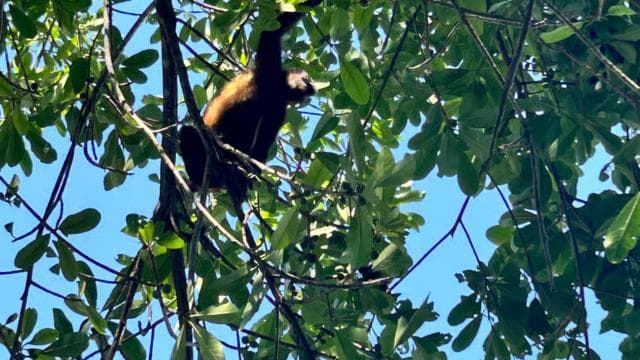
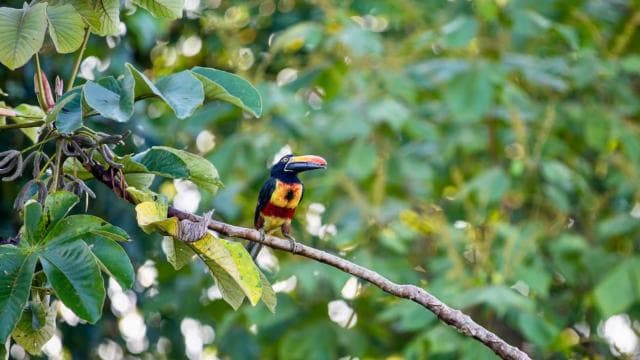
Visitors commonly encounter iconic tropical species such as toucans, known for their oversized colorful bills and playful behavior in the canopy. The sound of their calls often echoes through the forest long before they are seen.
Guans, large and elusive forest birds, move quietly through the upper branches, often blending seamlessly into the foliage. Hummingbirds, on the other hand, provide constant motion and energy, darting from flower to flower with astonishing speed and precision.
The forest is also home to tanagers, flycatchers, woodpeckers, and trogons, each contributing unique colors and behaviors to the ecosystem. During migration seasons, the experience becomes even more dynamic as raptors such as hawks and eagles pass through the skies, using the Talamanca corridor as a vital migration route.
Birdwatching here is not limited to visual observation alone. The forest is alive with sound, and experienced guides help visitors identify species through their calls and songs. This auditory dimension adds depth to the experience, allowing you to recognize birds even when they are hidden within dense foliage.
For photography enthusiasts, the lighting conditions and natural composition of the forest create excellent opportunities for capturing wildlife images. The combination of filtered sunlight, natural perches, and active bird behavior makes this an ideal environment for both amateur and professional photographers.
A defining feature of this experience is the presence of a specialized local naturalist guide. These guides are not only trained in bird identification but also possess deep knowledge of the local ecosystem, plant life, and ecological relationships within the forest.
Their expertise transforms the walk into an educational journey. Rather than simply pointing out birds, they explain behaviors, feeding patterns, nesting habits, and migration cycles. They help visitors understand how species interact with their environment and why certain birds are found in specific areas of the forest.
The guides are also skilled at spotting wildlife that might otherwise go unnoticed. Their trained eyes and ears can detect subtle movements in the canopy or recognize faint bird calls hidden within the forest noise. This significantly enhances the chances of meaningful wildlife sightings during the tour.
Beyond birdwatching, guides often share insights into the cultural and ecological importance of the region. They discuss conservation efforts, reforestation initiatives, and the role of protected areas like Nativo Park in preserving biodiversity for future generations.
This human connection adds depth to the experience, making it not just a nature walk but a shared journey of discovery between visitors and local experts.
The 1.8 km trail at Nativo Park is designed to offer a balanced and accessible walking experience suitable for most fitness levels. The path is well-maintained yet natural, preserving the authentic feel of walking through untouched rainforest.
As you begin the trail, you are greeted by open canopy sections where sunlight filters through leaves, creating a shifting pattern of light and shadow on the forest floor. Early in the walk, bird activity is often high as species feed in the cooler morning hours.
Midway through the trail, the forest becomes denser and more enclosed. This section is particularly rich in bird activity, as fruiting trees attract a wide range of species. The air feels cooler and more humid, and the soundscape becomes more complex as multiple bird calls overlap.
Toward the final section of the trail, the forest opens slightly again, allowing for broader views of the canopy and occasional sightings of larger birds in flight. This gradual transition of environments ensures that every stage of the walk offers something unique and memorable.
Throughout the journey, the guide encourages slow observation, patience, and awareness. Birdwatching is not rushed; it is an exercise in attention and presence. This pace allows visitors to fully absorb the natural surroundings and appreciate the subtle details of the ecosystem.
What makes the Puerto Viejo birdwatching tour truly unforgettable is not only the diversity of species or the beauty of the forest, but the emotional connection it creates between visitors and nature.
Many travelers describe the experience as grounding and peaceful. The absence of urban noise, combined with the rhythmic sounds of the rainforest, creates a meditative atmosphere. Time seems to slow down as attention shifts from digital distractions to natural rhythms.
Seeing a toucan glide across the canopy or a hummingbird hover in mid-air often evokes a sense of wonder. These moments remind visitors of the complexity and beauty of natural systems that exist beyond human environments.
For many, the experience also fosters a deeper appreciation for conservation. Understanding how fragile yet interconnected these ecosystems are encourages more mindful travel behavior and a stronger commitment to protecting natural habitats.
This emotional dimension is what transforms the tour from a simple activity into a meaningful travel memory that lasts long after the journey ends.
The Puerto Viejo Birdwatching Tour at Nativo Park offers several distinctive features that set it apart from typical nature excursions:
Exploration of one of Costa Rica’s most biodiverse birdwatching regions
Access to over 350 bird species in their natural habitat
Guided experience led by a knowledgeable local naturalist
Walk through a protected section of the Southern Caribbean biological corridor
Observation of migratory raptors during peak season (November to April)
Immersive 1.8 km rainforest trail experience
Opportunity to see toucans, hummingbirds, guans, and tropical tanagers
Educational insights into rainforest ecology and conservation
Ideal conditions for wildlife photography and nature observation
Peaceful, low-impact eco-tourism experience suitable for all nature lovers
The Puerto Viejo, Limón Birdwatching Tour at Nativo Park is more than a guided walk through the forest—it is an entry point into one of the most vibrant ecological regions on Earth. It invites travelers to slow down, observe deeply, and reconnect with the natural world in a setting that feels both untouched and profoundly alive.
From the first step on the forest trail to the final glimpse of a toucan disappearing into the canopy, every moment is shaped by discovery. This is not just a tour; it is an immersion into the living heart of Costa Rica’s Caribbean rainforest.
The Puerto Viejo, Limón Birdwatching Tour at Nativo Park is carefully structured to provide a smooth, immersive, and highly rewarding nature experience within a short time frame. The itinerary is designed to maximize bird sightings while ensuring comfort, accessibility, and meaningful interpretation of the rainforest environment.
Although the total duration is approximately 2 hours, every segment of the tour is intentionally paced to allow for observation, photography, and guided interpretation.
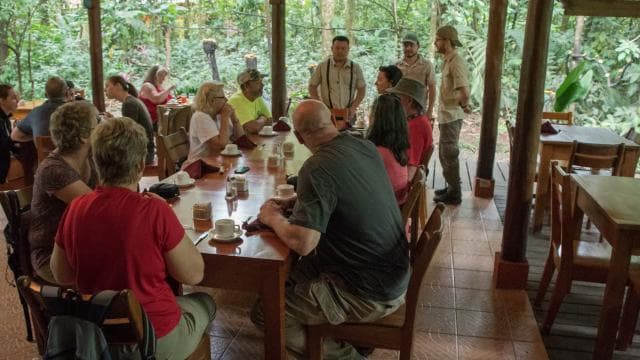
Your experience begins at the entrance of Nativo Park, where you are warmly welcomed by your local naturalist guide and park staff. This initial moment sets the tone for the entire experience, offering a calm and friendly introduction to the rainforest environment.
At the reception area, travelers are offered refreshing fruits and water, helping them hydrate before the walk. This small but meaningful detail reflects Costa Rican hospitality and ensures you begin your journey comfortably.
During this stage, your guide provides a brief orientation covering:
Safety guidelines for the trail
Overview of the 1.8 km route
Expected bird species and seasonal highlights
Tips for spotting and identifying birds
Introduction to the ecological importance of the region
This briefing is essential, as it prepares visitors to make the most of their birdwatching experience by understanding what to look for and how to observe wildlife respectfully.
As you step onto the trail, the environment quickly shifts from a managed reception area into a living tropical ecosystem. The first section of the walk introduces you to the outer edge of the rainforest, where sunlight filters through semi-open canopy areas.
This section is often rich in early bird activity, especially in the morning hours. Common sightings include:
Hummingbirds feeding on flowering plants
Tanagers moving in small groups
Flycatchers perched on low branches
Occasional toucans flying overhead
Your guide begins pointing out bird calls and visual cues, helping you train your senses to detect movement in the forest. This stage is crucial for beginners, as it introduces the foundational skills of birdwatching such as patience, silence, and awareness of sound.
The middle section of the trail represents the most biologically active zone of the entire tour. Here, the forest becomes denser, cooler, and more enclosed. The canopy overhead thickens, creating a shaded environment where many bird species gather to feed and rest.
This is where the true magic of the birdwatching experience unfolds.
Bird activity in this zone is particularly high due to the abundance of:
Fruit-bearing trees such as Ficus species
Inga trees attracting insects and nectar feeders
Flowering heliconias drawing hummingbirds
Dense vegetation providing shelter and nesting areas
Possible sightings in this section include:
Keel-billed toucans resting in upper branches
Great curassows moving quietly through mid-canopy
Woodpeckers tapping on tree trunks
Motmots and trogons perched in shaded areas
Mixed flocks of tanagers and orioles
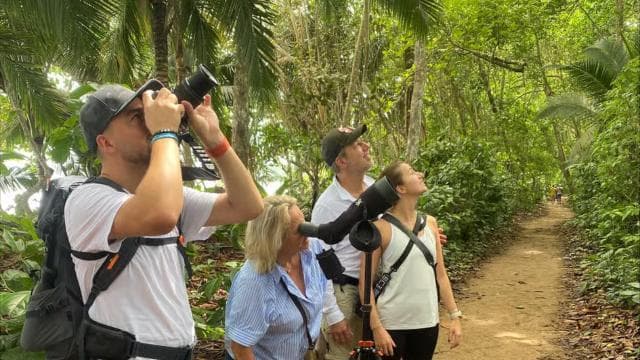
Your naturalist guide plays a vital role here, often stopping frequently to identify subtle movements or distant calls. They may also use binoculars or directional listening techniques to locate hidden birds.
This section of the tour often feels like stepping into another world—quiet, vibrant, and filled with hidden life.
Midway through the trail, the group pauses for a short observation break. This is not just a rest stop, but an educational moment where the guide provides deeper insights into the ecosystem.
Topics often covered include:
The role of the Southern Caribbean biological corridor
Migration patterns of North and South American birds
Relationships between plants and pollinators
Seasonal changes in bird populations
Conservation challenges and protection efforts
This interpretive segment helps visitors understand that birdwatching is not only about seeing species, but about understanding how entire ecosystems function together.
During this pause, guests often have additional opportunities to spot birds that may have been previously missed due to movement along the trail.
As the trail begins to open again, the canopy becomes more visible, allowing for clearer views of birds in flight. This section of the tour is particularly exciting for photographers and bird enthusiasts.
The lighting improves, and the forest structure becomes less dense, making it easier to observe:
Raptors soaring overhead during migration season
Toucans flying between treetops
Swifts and swallows in continuous motion
Larger birds crossing open canopy gaps
Between November and April, this section becomes especially dynamic due to migratory raptors passing through the region. Hawks, kites, and other birds of prey use thermal currents to travel along the Talamanca corridor, creating dramatic sightings against the sky.
This is often considered one of the most visually impressive parts of the entire tour.
The final stretch of the trail gently transitions back toward the park entrance. The forest here is slightly more open, allowing for a relaxed conclusion to the walk.
Bird activity remains consistent, though often more scattered. Guests may still observe:
Hummingbirds near flowering plants
Small forest birds moving through the understory
Occasional toucan calls echoing from the canopy
As the tour concludes, visitors return to the reception area where they can take a final moment to relax, review sightings with their guide, and ask any remaining questions.
This closing stage helps reinforce the knowledge gained during the experience and provides a sense of completion after an immersive journey through the rainforest.
To fully enjoy the Puerto Viejo birdwatching tour, preparation is important. While the experience is designed to be accessible and comfortable, a few simple tips can significantly enhance your results.
Bird activity is typically highest in the early morning when temperatures are cooler and feeding activity is at its peak. Early tours often provide the highest diversity of sightings.
Closed-toe shoes with good grip are strongly recommended. The trail is natural and may include uneven surfaces, roots, or damp sections depending on recent rainfall.
Wearing neutral or earth-toned clothing helps you blend into the environment, reducing disturbance to wildlife and improving your chances of closer observations.
While guides often assist with spotting birds, personal binoculars greatly enhance your ability to observe fine details such as plumage patterns and feeding behavior.
As with any tropical rainforest environment, insect repellent is recommended for comfort during the walk.
Birdwatching is a patient activity. Slow movement and minimal noise significantly increase the chances of meaningful sightings.
Many bird encounters happen quickly. Keeping your camera ready and settings adjusted in advance helps capture fleeting moments.
There are many nature experiences in Costa Rica, but the birdwatching tour at Nativo Park stands out for several important reasons.
The tour takes place within one of the most ecologically important regions in Central America. The Southern Caribbean biological corridor ensures continuous wildlife movement and rich species diversity.
Unlike self-guided walks, this experience is led by highly trained local guides who specialize in bird identification and ecosystem interpretation. Their expertise significantly increases wildlife observation success.
At just around 2 hours, the tour is ideal for travelers with limited time who still want a deep nature experience. The 1.8 km trail is accessible and suitable for most fitness levels.
With over 350 recorded species in the region, sightings are highly likely throughout the year. Seasonal variations further enhance diversity, especially during migration months.
This is not just sightseeing—it is learning. Visitors gain a deeper understanding of tropical ecology, bird behavior, and conservation science.
The lighting conditions, habitat diversity, and active birdlife make this tour highly attractive for wildlife photography.
Booking the Puerto Viejo birdwatching tour offers several practical and experiential advantages:
Guaranteed access to a protected ecological reserve
Inclusion of a professional naturalist guide
Entry to one of Costa Rica’s top birdwatching locations
Small-group or personalized nature experience
Access to fruits and hydration at reception
Opportunity to observe rare and migratory species
Safe and structured trail environment
Optional transportation service for convenience
These inclusions ensure that travelers receive a complete and hassle-free experience from arrival to departure.
Travelers consistently choose this experience due to its reliability, safety, and high-quality guiding standards. Key trust factors include:
Experienced local guides with ecological expertise
Managed and protected park environment
Well-maintained walking trails
Strong focus on conservation and sustainability
Positive traveler feedback regarding wildlife sightings and guiding quality
The tour is designed not only for enjoyment but also for responsible tourism that supports local conservation efforts and community engagement.
The Puerto Viejo, Limón Birdwatching Tour at Nativo Park offers a rare opportunity to step into one of the most vibrant natural environments in the world. It is a chance to witness tropical birdlife in its purest form, guided by experts who bring the forest to life through knowledge and passion.
Whether you are traveling to Costa Rica for adventure, photography, relaxation, or ecological exploration, this experience provides a meaningful connection to nature that stays with you long after the journey ends.
Reserve your place and immerse yourself in the extraordinary birdlife of Puerto Viejo’s tropical rainforest.
The Puerto Viejo birdwatching experience at Nativo Park lasts approximately 2 hours, including a guided 1.8 km rainforest walk and observation stops.
Yes, this tour is perfect for beginners. No prior birdwatching experience is required. The expert naturalist guide helps identify birds and explains everything clearly throughout the walk.
The region is home to over 350 bird species. While sightings vary daily, visitors commonly observe toucans, hummingbirds, tanagers, guans, and occasionally migratory raptors.
The tour includes a specialized naturalist guide, entrance to the reserve, and fruits and water at the reception area.
Transportation is not automatically included, but optional hotel pickup and drop-off can be arranged at an additional cost.
It is recommended to wear lightweight, breathable clothing in neutral colors, along with closed-toe walking shoes suitable for forest trails.
Visitors should bring insect repellent, comfortable shoes, a camera or binoculars, and water if desired for personal use.
No, the 1.8 km trail is moderately easy and suitable for most fitness levels. It is designed for a relaxed walking pace with frequent stops for observation.
Common sightings include toucans, hummingbirds, woodpeckers, motmots, tanagers, and guans. During migration season, hawks and other raptors may also be seen.
Early morning is the best time, as bird activity is highest during cooler hours. The migration season from November to April is especially rewarding for raptor sightings.
Yes, the tour is family-friendly and suitable for children who can comfortably walk short forest trails.
Yes, elderly travelers can participate as long as they are comfortable with light walking on natural terrain.
The tour typically continues in light rain, as rainforest conditions are common. In case of severe weather, the schedule may be adjusted for safety.
While wildlife sightings cannot be guaranteed, the high biodiversity of the area and expert guidance greatly increase the chances of multiple bird encounters.
Basic facilities are available at the reception area of the park before and after the tour.
Yes, photography is highly encouraged. The tour is especially popular among wildlife photographers due to the diversity of bird species and natural lighting conditions.
Binoculars are not mandatory, but they are highly recommended for a better viewing experience, especially for canopy-level birds.
Yes, the tour operates within a protected ecological area and follows sustainable eco-tourism practices to minimize environmental impact.
Last-minute bookings may be possible depending on availability, but advance booking is recommended to secure your preferred time slot.
The combination of expert-guided interpretation, access to a biodiversity-rich rainforest corridor, and sightings of over 350 bird species makes this one of the most rewarding birdwatching experiences in Costa Rica.
After completing your reservation, our team will contact you one day before your tour to confirm your exact hotel / Airbnb pickup time or meeting point.
If you selected a meeting point during your booking, please note that your reservation is fully confirmed — simply arrive at the chosen location at the scheduled time.
Please ensure the WhatsApp number, phone number, or email you entered during booking is correct so we can reach you smoothly.
For any changes to your reservation, weather questions, or special requests, feel free to contact us:
We look forward to welcoming you! 🌴✨
The staff are all excellent. A highly memorable day out. 10 stars, can't wait to come back.
A lovely way to spend a sunny afternoon seeing new places and having a great experience! Well done guys.
5-stars for a team who change there plans for our help. They have had the best we have just never had a team well they the great cheers.
You will not be disappointed! The small group size was perfect. It made it very easy to ask questions and explore the town.
Cheers for every thing