Bijagua Ancestral Cooking Workshop – Authentic Costa Rican Cultural Culinary Experience in the Heart of Nature
Introduction: A Journey Beyond Cooking into Costa Rica’s Living Heritage
Hidden in the lush green landscapes of northern Costa Rica lies a truly rare cultural experience that goes far beyond ordinary tourism—the Bijagua Ancestral Cooking Workshop. This is not just a cooking class; it is an immersive journey into the roots of Costa Rican tradition, where food is not only nourishment but also storytelling, heritage, and connection to the land.
Set in the peaceful rural surroundings of Bijagua de Upala, a region known for its rich biodiversity, volcanic soil, and strong cultural traditions, this workshop invites travelers to step into the world of ancestral cooking methods passed down through generations. Here, every ingredient has a story, every recipe carries memory, and every moment is an invitation to slow down and reconnect with nature and culture.
Unlike modern culinary classes that focus purely on technique, this experience is deeply emotional and cultural. It blends traditional Costa Rican gastronomy, farm-to-table practices, and indigenous-inspired cooking techniques to create an unforgettable hands-on journey.
For travelers seeking authenticity, sustainability, and meaningful cultural exchange, the Bijagua Ancestral Cooking Workshop stands as one of the most enriching experiences in Costa Rica’s rural tourism landscape.
Bijagua: A Hidden Gem of Northern Costa Rica
Before diving into the culinary experience itself, it is important to understand the magical setting that makes this workshop so special.
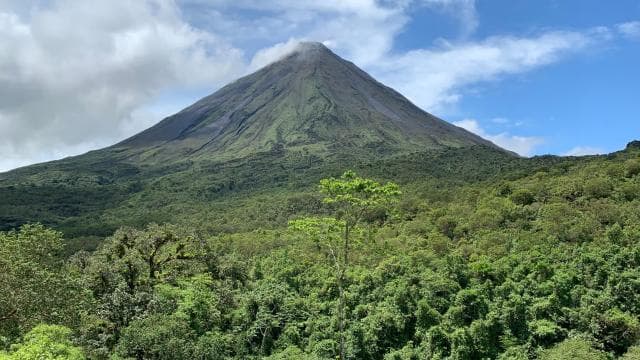
Bijagua de Upala is a small but vibrant rural community located between the famous volcanic regions of Rincón de la Vieja and Tenorio Volcano National Park. This strategic location gives the area its fertile lands, lush rainforests, and breathtaking natural scenery.
Why Bijagua is Special
Surrounded by dense rainforest and wildlife corridors
Close to volcanic landscapes and mineral-rich soil
Home to traditional farming communities
Strong cultural preservation of Costa Rican rural life
Peaceful, less touristy atmosphere compared to major destinations
This environment is essential to the workshop experience. The ingredients used in cooking often come directly from nearby farms, gardens, or forests, ensuring a truly farm-to-table authenticity that cannot be replicated in urban culinary settings.
Visitors often describe Bijagua as a place where time slows down, where nature leads the rhythm of life, and where traditions are still alive in everyday routines.
What Makes the Ancestral Cooking Workshop Unique?
The Bijagua Ancestral Cooking Workshop is designed to offer far more than a simple cooking lesson. It is a cultural immersion experience rooted in heritage, sustainability, and storytelling.
Core Experience Elements
Traditional Costa Rican cooking techniques using ancestral tools
Hands-on preparation of authentic rural dishes
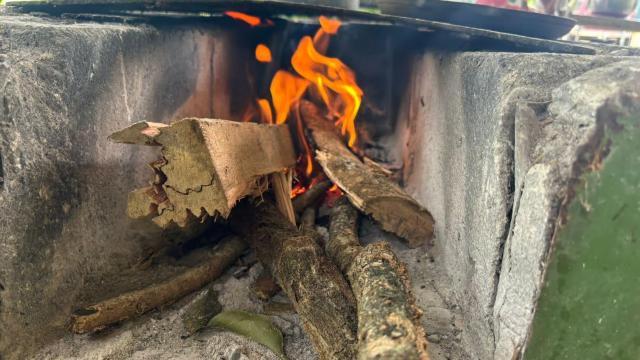
Cooking over wood fire and natural heat sources
Use of organic, locally sourced ingredients
Cultural storytelling about food origins and traditions
Interaction with local hosts and community members
Each part of the workshop is carefully curated to ensure travelers not only learn how to cook but also understand why these foods matter in Costa Rican culture.
Tour Highlights: What You Will Experience
The Bijagua Ancestral Cooking Workshop is designed to engage all the senses—taste, smell, touch, sight, and sound—creating a deeply memorable journey.
1. Welcome into Rural Costa Rican Hospitality
Your experience begins with a warm welcome from local hosts who introduce you to the cultural background of the region. Guests are often greeted with natural refreshments made from tropical fruits or herbal infusions grown in nearby gardens.
This initial interaction sets the tone for the entire workshop—friendly, relaxed, and deeply personal.
2. Introduction to Ancestral Cooking Traditions
Before cooking begins, participants are introduced to the history of Costa Rican rural cuisine. This includes:
Traditional cooking methods used by indigenous and rural families
The importance of corn, beans, plantains, and tropical produce
How food was historically prepared without modern appliances
Cultural significance of communal cooking
This storytelling segment helps travelers appreciate that every dish they will prepare carries centuries of tradition.
3. Hands-On Ingredient Gathering
One of the most exciting parts of the workshop is the connection to nature. Depending on the season and availability, participants may:
Harvest fresh herbs from organic gardens
Pick seasonal vegetables and fruits
Learn about medicinal plants used in traditional cooking
Understand sustainable farming practices
This step strengthens the farm-to-table experience, allowing guests to see exactly where their food comes from.
4. Traditional Cooking Techniques
The heart of the workshop lies in the cooking process itself. Guests are guided through ancestral methods that may include:
Cooking over open fire or clay stoves
Grinding corn using traditional stone tools
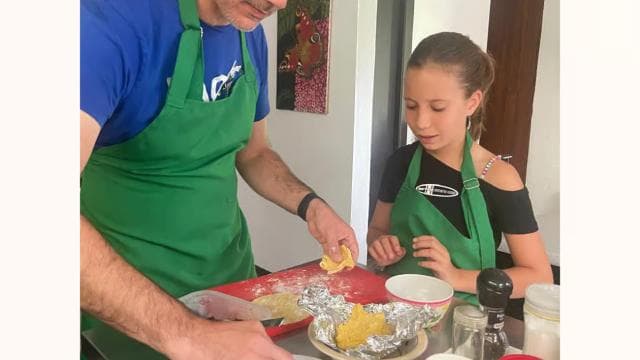
Preparing handmade tortillas or breads
Slow-cooking stews using natural heat
Using banana leaves for wrapping and steaming food
Every technique is demonstrated step-by-step, allowing participants of all skill levels to actively participate.
5. Preparation of Authentic Costa Rican Dishes
During the workshop, guests typically prepare a selection of traditional dishes inspired by local cuisine. While menus may vary depending on seasonality, they often include:
Handmade corn tortillas
Traditional gallo pinto-style rice and beans
Fresh tropical salads with local herbs
Plantain-based dishes
Natural fruit-based beverages or desserts
Each dish reflects the simplicity and richness of Costa Rican rural cooking traditions.
6. Cultural Storytelling and Local Wisdom
Throughout the cooking process, hosts share stories, memories, and cultural insights. This may include:
Family recipes passed down through generations
Local legends tied to food and farming
Seasonal traditions and celebrations
The role of food in Costa Rican community life
This storytelling transforms the workshop from a cooking class into a living cultural museum.
Emotional Experience: More Than Just a Meal
What makes the Bijagua Ancestral Cooking Workshop truly unforgettable is the emotional connection it creates.
Travelers often describe feeling:
A deep sense of connection to nature
Appreciation for slow, intentional living
Joy in shared cooking and community interaction
Curiosity about ancestral knowledge systems
Gratitude for simple, fresh food prepared with care
This is not a rushed tourist activity. It is a mindful cultural immersion, where guests are encouraged to disconnect from digital distractions and reconnect with real human experiences.
Traveler Experience: What to Expect on the Day
While every workshop may vary slightly depending on the host and season, a typical experience follows a natural flow designed for comfort and engagement.
Guests can expect:
A relaxed rural setting surrounded by greenery
Small group or private workshop atmosphere
Step-by-step guided cooking experience
Opportunities for hands-on participation
Time to enjoy the food you helped prepare
Friendly interaction with local hosts
The pace is intentionally slow and immersive, allowing travelers to fully absorb the experience without pressure or rush.
Why This Experience Stands Out in Costa Rica
Costa Rica is known for its adventure tourism, rainforests, beaches, and wildlife. However, cultural experiences like the Bijagua Ancestral Cooking Workshop offer something different—human connection and heritage preservation.
Key Differentiators
Focus on cultural authenticity rather than commercial tourism
Direct interaction with local rural communities
Sustainable, eco-friendly food practices
Educational and experiential learning approach
Unique blend of nature, culture, and cuisine
This makes it an ideal choice for travelers who want to go beyond sightseeing and truly understand Costa Rica’s identity through its food and traditions.
Perfect for All Types of Travelers
The Bijagua Ancestral Cooking Workshop is designed to be inclusive and enjoyable for a wide range of visitors.
It is especially suitable for:
Cultural travelers seeking authentic experiences
Food lovers interested in traditional cuisine
Eco-tourists focused on sustainability
Families looking for interactive learning activities
Couples seeking unique shared experiences
Solo travelers exploring meaningful cultural exchange
No prior cooking experience is required—only curiosity and openness to learning.
A Connection Between Land, People, and Food
At its core, this workshop represents a powerful connection between three essential elements:
The land – fertile soils, tropical biodiversity, natural ingredients
The people – rural families preserving ancestral knowledge
The food – traditional recipes carrying cultural identity
This triad is what makes the Bijagua Ancestral Cooking Workshop not just a tour, but a living cultural experience rooted in authenticity and respect for tradition.
Full Experience Itinerary: Step-by-Step Journey of the Bijagua Ancestral Cooking Workshop
The Bijagua Ancestral Cooking Workshop is carefully structured to provide a smooth, immersive, and educational cultural experience. Each stage is designed to connect travelers with Costa Rican rural life, traditional food systems, and ancestral cooking knowledge.
Below is the detailed flow of the experience so you know exactly what to expect from start to finish.
1. Arrival & Welcome Reception
Your journey begins upon arrival in the peaceful countryside of Bijagua de Upala. Surrounded by tropical greenery, farmland, and fresh mountain air, guests are warmly welcomed by local hosts.
You will typically be greeted with:
Natural herbal drinks or fresh tropical juices
A brief introduction to the family or community hosting the workshop
A comfortable seating area in a rural kitchen or outdoor cooking space
This moment sets the tone for the entire experience—relaxed, authentic, and deeply personal.
2. Cultural Introduction & Storytelling Session
Before the cooking begins, you will be introduced to the cultural and historical background of Costa Rican ancestral cuisine.
This includes:
Origins of traditional rural cooking in northern Costa Rica
Influence of indigenous food practices
Importance of corn, beans, plantains, and seasonal produce
Traditional kitchen tools and fire-based cooking methods
This storytelling session helps participants understand that food here is not just consumption—it is heritage, identity, and survival knowledge passed down through generations.
3. Garden Walk & Ingredient Discovery
Next, guests are taken on a short walk through nearby gardens or natural food sources. Depending on the season, you may:
Harvest fresh herbs like cilantro, basil, or wild greens
Pick ripe tropical fruits such as papaya, banana, or pineapple
Learn about medicinal plants used in traditional Costa Rican households
Discover how soil and volcanic richness influence flavor and nutrition
This farm-to-table interaction is one of the most memorable parts of the workshop, giving travelers a real connection to where their food originates.
4. Traditional Preparation Techniques
After gathering ingredients, you will begin hands-on preparation using ancestral methods.
This may include:
Grinding corn using traditional stone tools (metate-style techniques)
Mixing dough for handmade tortillas
Preparing fresh vegetable bases for stews and salads
Learning how to wrap food in banana leaves for steaming
Preparing natural seasoning blends from herbs and spices
Every step is guided by experienced local hosts who ensure you are fully engaged in the process.
5. Cooking Over Fire & Natural Heat
One of the most authentic elements of this workshop is cooking using traditional heat sources.
Instead of modern appliances, you may experience:
Open-fire cooking methods
Clay stoves or rustic kitchen setups
Slow-cooking techniques for stews and beans
Smoke-infused flavor preparation techniques
This method not only enhances flavor but also reflects how Costa Rican families have cooked for centuries in rural communities.
6. Preparing the Traditional Meal
As the cooking progresses, all participants contribute to assembling a complete traditional Costa Rican meal.
Typical dishes may include:
Fresh handmade corn tortillas
Gallo pinto-inspired rice and beans
Seasonal vegetable stews
Fresh salads with tropical ingredients
Fruit-based natural drinks or desserts
The menu may vary depending on seasonal availability, ensuring the freshest and most authentic ingredients are always used.
7. Shared Dining Experience
Once the meal is ready, everyone gathers to enjoy the food together.
This is not just a meal—it is a celebration of culture and connection.
You will:
Sit in a communal dining setting
Enjoy dishes you personally helped prepare
Share conversation with hosts and fellow travelers
Experience Costa Rican hospitality in its purest form
This moment often becomes the emotional highlight of the entire workshop.
8. Reflection & Cultural Exchange
After dining, guests are invited to relax and reflect on the experience.
This may include:
Informal conversation with hosts
Q&A about Costa Rican culture and traditions
Sharing personal impressions and learning moments
Learning about other local experiences in Bijagua
This final stage reinforces the workshop’s deeper purpose: cultural understanding and human connection.
Why Choose the Bijagua Ancestral Cooking Workshop?
There are many tours in Costa Rica, but very few offer this level of depth, authenticity, and cultural immersion.
Here is why this experience stands out:
1. True Cultural Immersion
This is not a staged performance or tourist demonstration. It is a genuine interaction with rural Costa Rican life and traditions.
2. Hands-On Learning Experience
You don’t just watch—you participate in every step of the cooking process, making the experience interactive and memorable.
3. Farm-to-Table Authenticity
Every ingredient is locally sourced, often directly from gardens or nearby farms, ensuring freshness and sustainability.
4. Sustainable Tourism Model
This workshop supports local families, preserves traditional knowledge, and promotes environmentally responsible tourism practices.
5. Small Group or Private Experience
The intimate setting ensures personal attention, deeper learning, and meaningful interaction with hosts.
6. Emotional & Educational Value
Beyond cooking, you gain insights into history, culture, and rural life that most travelers never experience.
Travel Tips for the Best Experience
To make the most of your Bijagua Ancestral Cooking Workshop, consider the following travel tips:
What to Wear
Comfortable, lightweight clothing
Closed-toe shoes suitable for rural terrain
A hat or sun protection if cooking outdoors
What to Bring
Camera or smartphone for memories
Reusable water bottle
Small notebook if you enjoy culinary learning
Insect repellent (optional but useful in rural areas)
Best Time to Visit
The workshop can generally be enjoyed year-round, but the dry season offers:
Easier access to rural areas
More outdoor cooking opportunities
Clearer views of surrounding landscapes
Physical Requirements
Suitable for most fitness levels
Light walking involved (garden or ingredient gathering)
Standing during cooking activities
Booking Advantages & What’s Included
When booking the Bijagua Ancestral Cooking Workshop, travelers typically benefit from a complete, worry-free experience.
Included in the Experience
Guided cultural cooking workshop
All ingredients and materials
Hands-on cooking participation
Traditional meal prepared and served
Cultural storytelling session
Local host guidance throughout
Additional Advantages
Authentic rural Costa Rican environment
Personalized attention from local hosts
Educational culinary experience
Sustainable tourism contribution
Who Should Not Miss This Experience
This workshop is highly recommended for:
Travelers seeking authentic cultural immersion
Food enthusiasts and culinary explorers
Eco-conscious travelers
Families wanting educational experiences
Couples seeking unique shared memories
Solo travelers interested in cultural connection
If you value meaningful travel experiences over mass tourism attractions, this workshop is an ideal choice.
Final Call to Experience Bijagua’s Living Culinary Heritage
The Bijagua Ancestral Cooking Workshop is more than just a culinary activity—it is a journey into the heart of Costa Rica’s rural identity. It invites you to slow down, reconnect with nature, and rediscover the joy of cooking as a shared cultural experience.
From harvesting fresh ingredients to cooking over fire and sharing a traditional meal with local hosts, every moment is designed to create lasting memories and genuine human connection.
This is your opportunity to step beyond typical tourism and experience Costa Rica in its most authentic and meaningful form.
Frequently Asked Questions (FAQs)
1. What is the Bijagua Ancestral Cooking Workshop?
The Bijagua Ancestral Cooking Workshop is a cultural culinary experience in rural Bijagua de Upala where travelers learn traditional Costa Rican cooking methods using local ingredients, fire-based techniques, and ancestral recipes.
2. Where is this cooking workshop located?
It takes place in the peaceful countryside of Bijagua de Upala in northern Costa Rica, surrounded by rainforest, farmland, and volcanic landscapes.
3. What kind of food will I learn to cook?
You will learn traditional Costa Rican rural dishes such as handmade tortillas, rice and beans, seasonal vegetable stews, tropical salads, and natural fruit-based drinks.
4. Is the experience hands-on?
Yes, this is a fully hands-on workshop where you actively participate in every step—from preparing ingredients to cooking and serving the final meal.
5. Do I need cooking experience to join?
No prior cooking experience is required. The workshop is designed for beginners, food lovers, and cultural travelers of all skill levels.
6. How long does the workshop last?
The experience typically lasts a few hours, allowing enough time for cultural introduction, ingredient preparation, cooking, and shared dining.
7. Is the workshop suitable for children?
Yes, children can participate under adult supervision. It is a family-friendly cultural activity focused on learning and fun interaction.
8. What should I wear for the workshop?
Wear comfortable clothing and closed-toe shoes suitable for rural environments. Light clothing is recommended due to warm tropical weather.
9. Is transportation included?
Transportation may vary depending on the booking package. Some experiences offer pickup options, while others require guests to arrive at the location independently.
10. Are vegetarian or dietary options available?
Yes, the workshop can often accommodate vegetarian preferences and dietary restrictions when informed in advance.
11. What makes this cooking experience unique?
Unlike modern cooking classes, this workshop focuses on ancestral techniques, cultural storytelling, and farm-to-table preparation in a rural Costa Rican setting.
12. Will I learn about Costa Rican culture?
Yes, the experience includes storytelling about rural traditions, indigenous influences, and the historical importance of food in Costa Rican communities.
13. Is the cooking done outdoors?
Yes, much of the cooking is done using traditional outdoor or rustic kitchen setups, including fire-based cooking methods.
14. Can I take photos during the experience?
Yes, guests are encouraged to take photos and capture memories throughout the workshop.
15. What language is spoken during the workshop?
The experience is typically conducted in Spanish with English support depending on the host and group participants.
16. Is this experience eco-friendly?
Yes, the workshop promotes sustainable tourism, local sourcing of ingredients, and environmentally responsible cooking practices.
17. How many people are in a group?
Group sizes are usually small to ensure a personalized and interactive cultural experience.
18. What is included in the price?
The experience typically includes guided cooking, all ingredients, cultural storytelling, and the traditional meal you prepare and enjoy.
19. Why should I choose this experience over a normal cooking class?
Because it offers a deeper cultural immersion, connecting you with rural traditions, local families, and authentic Costa Rican heritage.
20. How do I book the Bijagua Ancestral Cooking Workshop?
You can book directly through the tour provider’s official website or travel platform offering the experience in Bijagua de Upala, Costa Rica.