Wendy Z.
5.0
5.0
Book this tour without hesitation! The team clearly knows what they are doing and delivers a quality experience.
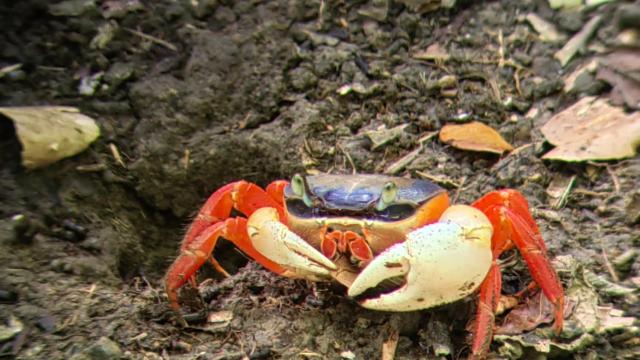
Explore Damas Island mangroves near Manuel Antonio. Spot monkeys, sloths, crocodiles, and birds on a peaceful guided Costa Rica boat tour.
Manuel Antonio Mangrove Boat Tour to See Wildlife in Damas Island – A Peaceful Eco Adventure Through Costa Rica’s Hidden Jungle Waterways
Hidden just minutes away from the world-famous coastal region of Manuel Antonio lies a completely different world—quiet, ancient, and teeming with life. The Damas Island Mangrove Boat Tour offers a rare opportunity to explore one of the most biologically rich and ecologically important habitats in all of Central America.
This is not a high-adrenaline excursion or a rushed sightseeing stop. It is a slow, immersive journey into the heart of the mangrove forest, where water and land blend into a living ecosystem that has evolved over thousands of years. As your boat moves gently through narrow tidal channels, you enter a space where nature dominates every sound, every movement, and every detail of the landscape.
The experience is centered on observation, learning, and connection. You are not simply passing through nature—you are floating inside it.
Unlike many tropical destinations that focus on beaches or mountain scenery, this tour reveals a different side of Costa Rica—one defined by wetlands, tidal forests, and intricate ecological relationships that sustain countless species of wildlife.
Whether you are a nature enthusiast, photographer, family traveler, or someone seeking peaceful moments away from crowded tourist paths, this mangrove boat tour provides an unforgettable and deeply grounding experience.
Your journey begins near Damas Island, a coastal estuary formed by the meeting of freshwater rivers and the Pacific Ocean. This blending of salt and freshwater creates a unique environment known as a mangrove ecosystem—one of the most productive and essential natural systems on Earth.
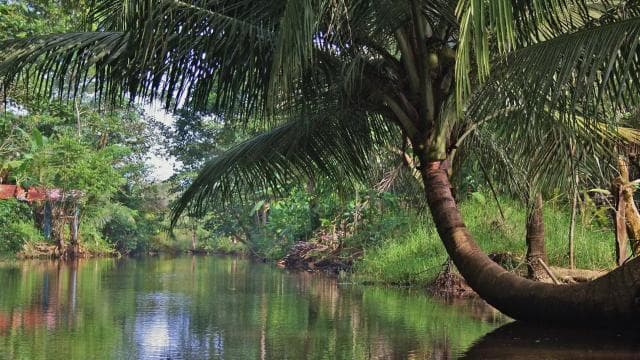
At first glance, the landscape may appear simple: calm water, dense green vegetation, and winding channels. But beneath this surface lies a highly complex ecological network. Mangrove trees grow in shallow, salty water, using their tangled roots to stabilize the soil and filter nutrients. These roots create shelters for fish, crabs, and countless marine organisms, forming the foundation of an entire food chain.
As your boat enters deeper into the estuary, the environment becomes increasingly immersive. The sunlight filters through dense green canopies, casting shifting patterns on the water. The air becomes cooler and more humid. The sounds of distant traffic fade away, replaced by birds calling, insects buzzing, and water gently moving through roots.
This is a place that feels untouched, even though it is carefully protected and studied for its ecological importance.
The mangrove boat tour is designed for comfort, accessibility, and deep observation. The boats are stable, quiet, and specifically built to navigate narrow tidal channels without disturbing wildlife. There is no need for physical effort, hiking, or climbing. Instead, you sit back and allow the natural world to unfold around you.
The pace of the journey is intentionally slow. This allows the guide to carefully scan the environment and point out wildlife that would otherwise go unnoticed. It also gives travelers time to absorb the details of the forest—the textures of roots, the reflections in the water, and the subtle movements of animals hidden in the canopy.
As you glide through the mangroves, every turn reveals a new perspective. Sometimes the channels open into wider sections of water where sunlight pours in. Other times, the boat passes through narrow passages where branches form natural tunnels overhead. Each moment feels distinct and unpredictable.
This sense of calm discovery is what makes the experience so memorable.
The mangrove forest is one of the most biodiverse environments in the region, supporting both terrestrial and aquatic species. Because the ecosystem provides food, shelter, and protection, wildlife is abundant and active throughout the day.
Among the most captivating sightings are the white-faced capuchin monkeys, known for their intelligence and expressive behavior. These primates often travel in groups, moving quickly through the treetops as they search for fruit, insects, and small creatures.
During the tour, it is common to see them swinging above the water, pausing briefly to observe the boats below before continuing their energetic movements. Their presence adds life and movement to the stillness of the mangrove forest.
Another highlight of the tour is the opportunity to observe crocodiles in the wild. These powerful reptiles are often found resting motionless along muddy banks or partially submerged in shallow water.
Despite their intimidating appearance, crocodiles are typically calm and avoid unnecessary interaction. Watching them in their natural habitat provides a fascinating contrast between stillness and strength.
Their ability to blend into the environment makes spotting them a rewarding experience guided by expert eyes.
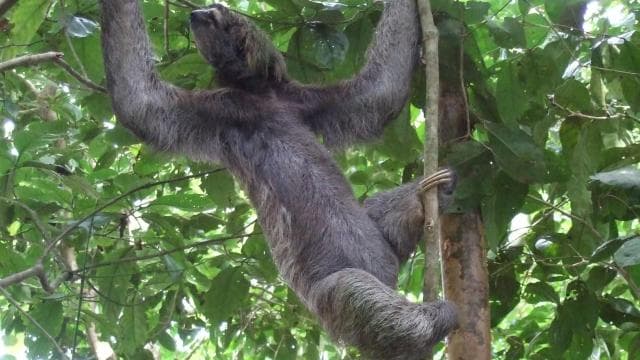
Sloths are among the most sought-after animals on this journey. However, they are also among the most difficult to spot without guidance due to their slow movement and camouflage-like fur.
High in the branches of mangrove trees, sloths can often be found resting quietly for long periods. Their slow, deliberate lifestyle contrasts beautifully with the active environment around them.
Seeing a sloth in the wild is a rare and peaceful moment that often becomes one of the most cherished memories of the tour.
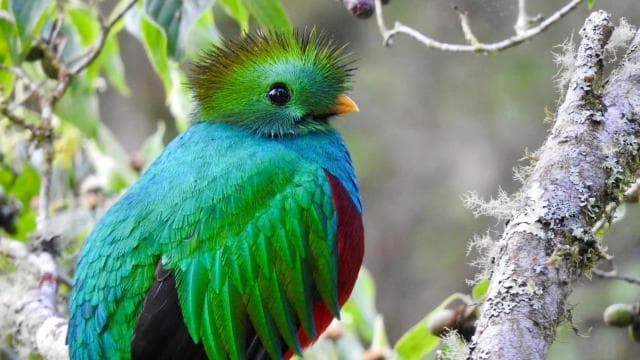
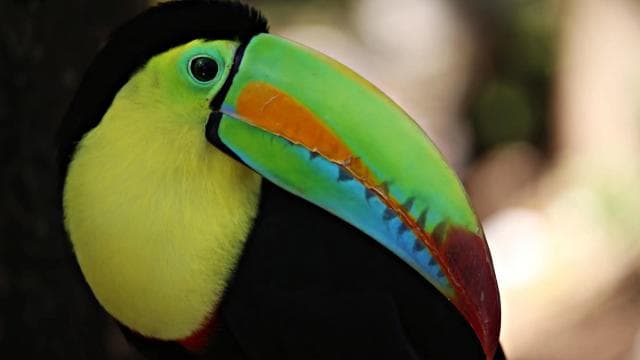
The mangroves are also home to an extraordinary variety of bird species. Herons, egrets, kingfishers, hawks, and many migratory birds use this ecosystem for feeding and nesting.
Some birds glide effortlessly over the water, while others stand still along branches, waiting patiently for fish or small aquatic creatures. The constant movement of wings and calls creates a natural rhythm that defines the soundscape of the forest.
Birdwatchers will find this environment especially rewarding due to its diversity and accessibility.
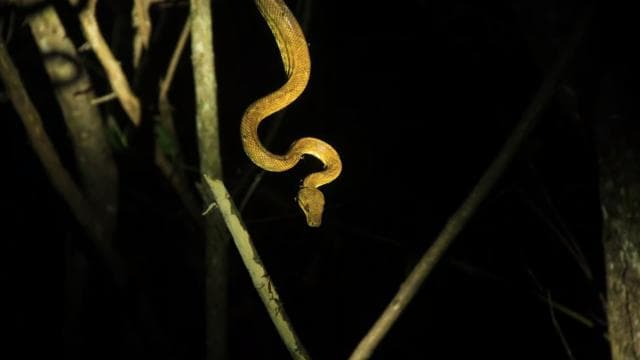
Beyond the more visible wildlife, the mangroves also support a wide range of less obvious species. Iguanas can often be seen basking on sunlit branches, while non-venomous snakes rest quietly among tangled roots.
Occasionally, turtles appear near calmer waters, adding to the richness of the ecosystem. Each sighting reinforces the sense that the mangrove forest is a living, interconnected system where every species plays a role.
One of the most valuable aspects of this tour is the educational insight it provides into the importance of mangrove ecosystems. These forests are not only beautiful but also essential for environmental stability.
Mangroves contribute to the planet in several critical ways:
They protect coastlines from erosion by stabilizing soil with their root systems.
They act as natural barriers against storms and tidal surges.
They serve as breeding and nursery grounds for fish and marine species.
They filter pollutants and improve water quality.
They absorb and store large amounts of carbon, helping reduce climate change impacts.
They support an intricate biodiversity network that includes both land and sea species.
As your guide explains these functions during the tour, the forest transforms from a scenic landscape into a complex ecological system. You begin to see how every detail, from the smallest root to the largest tree, contributes to environmental balance.
The mangrove boat tour offers exceptional conditions for photography. The combination of soft natural lighting, reflective water surfaces, and abundant wildlife creates an environment where every moment has visual potential.
Unlike fast-moving tours, this experience allows time to focus on composition and detail. The slow movement of the boat provides stability, making it easier to capture clear images of wildlife and scenery.
Photographic highlights include:
Monkeys moving through the canopy
Crocodiles resting near water edges
Birds in mid-flight above reflective surfaces
Sloths hidden among branches
Light patterns filtering through dense vegetation
Close-up textures of mangrove roots
Additionally, professional photos and videos captured by the guide ensure that travelers leave with high-quality documentation of their experience.
The mangrove ecosystem changes subtly throughout the year, influenced by rainfall, tides, and seasonal wildlife behavior. During wetter months, water levels rise and the forest becomes even more interconnected. In drier periods, animals may gather closer to water channels, increasing the likelihood of sightings.
Bird migration patterns also influence the diversity of species present at different times of the year. These natural cycles ensure that no two tours are exactly the same, even when taken in the same location.
This constant variation contributes to the sense of discovery that defines the experience.
One of the strongest advantages of this mangrove boat tour is its accessibility. There are no physical barriers, no long walks, and no challenging terrain. This makes it suitable for a wide range of travelers, including families with children, older adults, solo travelers, and couples.
The relaxed pace ensures that everyone can enjoy the experience comfortably. Children often find excitement in spotting animals, while adults appreciate the peaceful atmosphere and educational content.
It is an inclusive experience designed to connect people with nature regardless of age or fitness level.
Beyond wildlife sightings and scenic beauty, the mangrove boat tour offers something more meaningful: a chance to reconnect with the natural world in a calm and reflective setting.
As the boat moves silently through the channels, travelers often find themselves becoming more aware of small details—the movement of water, the patterns of roots, the behavior of animals, and the balance of the ecosystem.
This heightened awareness creates a lasting impression that extends beyond the tour itself. Many visitors leave with a renewed appreciation for environmental preservation and the delicate balance of natural ecosystems.
While the surrounding region of Manuel Antonio National Park is known for its beaches and rainforest trails, the mangrove ecosystem offers a completely different perspective on local biodiversity.
Instead of exploring dry land forests or coastal viewpoints, this experience immerses travelers in a water-based ecosystem where life depends on tides, salinity, and root systems.
This unique perspective allows visitors to understand a lesser-seen but equally important side of Costa Rica’s natural heritage.
By the end of the tour, most travelers describe a sense of calm and appreciation for the complexity of nature. The quiet rhythm of the mangroves, combined with close wildlife encounters and expert interpretation, creates an experience that feels both educational and emotionally grounding.
It is not simply about what you see during the tour—it is about how the experience changes your perception of nature itself.
The mangrove forest remains with you long after you leave, not as a memory of a place, but as a deeper understanding of how ecosystems function and why they matter.
The Damas Island Mangrove Boat Tour is carefully designed to offer a balanced mix of wildlife exploration, ecological learning, and peaceful cruising. The full experience lasts approximately 2 to 2.5 hours, depending on tide conditions, wildlife activity, and group pace. Each stage of the journey is structured to maximize animal sightings while ensuring comfort and safety.
Your experience begins at the designated meeting area near the estuary zone close to Manuel Antonio. Upon arrival, you will be greeted by your local guide, who is an experienced naturalist familiar with the mangrove ecosystem and its wildlife behavior patterns.
During this short introduction phase, you will:
Receive a briefing about the tour structure
Learn basic safety instructions for the boat ride
Get an overview of the mangrove ecosystem
Have the opportunity to ask questions
Prepare cameras, binoculars, and personal items
Your guide will also explain how tides influence animal movement, which is important for maximizing wildlife sightings during the tour.
Once the group is ready, you will board a specially designed covered boat built for smooth navigation through narrow mangrove channels. The boat is stable, quiet, and comfortable, allowing full focus on wildlife observation rather than travel logistics.
As the boat slowly leaves the dock, the scenery begins to change immediately. The open coastal landscape transitions into dense green waterways surrounded by mangrove roots.
This is where the experience truly begins.
This is the core of the tour and the most wildlife-rich segment of the entire journey. The boat navigates deeper into the channels of Damas Island, where biodiversity increases significantly and human presence becomes minimal.
During this phase, your guide actively scans the environment for wildlife and provides detailed explanations about each species and its ecological role.
You may encounter:
White-faced capuchin monkeys moving in groups
Sloths resting in the upper canopy
Iguanas sunbathing on exposed branches
Crocodiles along riverbanks
Herons, egrets, and kingfishers hunting for fish
Turtles surfacing in calm water sections
The boat will occasionally slow down or stop entirely when wildlife is spotted. This allows passengers to observe animals in detail and take photographs without disturbance.
One of the unique aspects of this phase is the silence. In many sections, the only sounds you will hear are natural—water movement, bird calls, and rustling leaves. This silence enhances wildlife observation and creates a deeply immersive experience.
Unlike simple sightseeing tours, this experience includes continuous ecological interpretation. Your guide will explain how the mangrove ecosystem functions, how species interact, and why this environment is essential for coastal protection.
Topics often covered include:
Mangrove root systems and their filtering role
Saltwater and freshwater interaction zones
Animal feeding and nesting behaviors
Migration patterns of birds
Climate resilience and carbon absorption
Human impact and conservation efforts
This educational component transforms the tour into a learning experience rather than just a visual journey.
Whenever significant wildlife sightings occur, the boat pauses to allow observation and photography. These stops are flexible and depend entirely on animal activity.
The most common photography moments include:
Monkeys jumping between trees
Crocodiles resting near water edges
Birds taking flight over reflective water
Sloths partially hidden in foliage
Close-up shots of mangrove root structures
Because the boat is stable and slow-moving, even beginners can capture high-quality photos easily.
After exploring deeper areas of the estuary, the boat begins its return journey. However, this is not a repetition of the outbound route. The changing tide and light conditions often reveal different wildlife behavior on the way back.
Animals may be more active, lighting conditions may be softer, and birds may gather in different areas depending on the time of day.
Your guide continues to highlight interesting ecological details during the return, ensuring the experience remains engaging until the very end.
Once the boat returns to the starting point, the tour concludes. Many guides offer to share professional photos and videos taken during the journey, allowing travelers to preserve high-quality memories of their experience.
This is also a great moment to ask final questions or learn more about other nearby experiences in the region.
The mangrove boat tour stands out among experiences in Manuel Antonio National Park because it offers something very different from hiking or beach-based activities.
Instead of covering distance on foot, you move through a living ecosystem by water. Instead of searching for wildlife, wildlife appears naturally around you. Instead of fast-paced adventure, you experience slow immersion.
Key differentiators include:
No physical effort required
High wildlife visibility rate
Calm, stable boat environment
Expert naturalist guidance
Educational storytelling throughout
Suitable for all ages and fitness levels
This combination makes it one of the most accessible yet rewarding eco-tours in Costa Rica.
Visitors often select this experience for its unique balance of relaxation and wildlife discovery. Unlike crowded attractions, this tour offers a quiet and personal connection with nature.
Travelers appreciate:
The professionalism of local guides
The high chance of spotting multiple animal species
The peaceful and uncrowded environment
The educational value of the experience
The included photography service
The smooth and comfortable boat ride
Many guests describe the experience as unexpectedly immersive, often exceeding their expectations due to the richness of wildlife and storytelling.
Although the tour operates year-round, wildlife visibility can vary depending on season and tidal conditions.
Cooler temperatures
Higher animal activity
Better lighting for photography
Increased chance of monkey sightings
Softer golden lighting
Active bird feeding behavior
Calm water reflections
Relaxed atmosphere
Both time slots offer excellent experiences, but morning tours are often recommended for maximum wildlife activity.
To ensure a comfortable and enjoyable tour, it is recommended to prepare lightly and practically.
Lightweight, breathable clothing
Sunscreen for sun protection
Insect repellent
Hat or cap
Comfortable footwear (sandals or light shoes)
Binoculars for birdwatching
Camera or smartphone
Water bottle
Light rain jacket (depending on season)
Avoid heavy luggage or unnecessary items, as space in the boat is limited.
A few simple tips can significantly enhance your tour experience:
Stay quiet during wildlife sightings to avoid disturbing animals
Follow guide instructions carefully for safety and visibility
Keep cameras ready at all times, as sightings can be sudden
Choose early tours if possible for more active wildlife
Use binoculars for better canopy viewing
Be patient—nature reveals itself gradually
These small practices help create a more rewarding and immersive journey.
This mangrove boat experience is designed with sustainability and environmental awareness in mind. By exploring the ecosystem via boat rather than foot traffic, the impact on the environment remains minimal.
The tour supports:
Wildlife conservation awareness
Local eco-tourism economies
Mangrove preservation education
Responsible travel practices
By participating, travelers contribute indirectly to the protection of one of Costa Rica’s most important natural habitats.
Booking this tour offers several practical advantages that make the experience smooth and stress-free.
Easy online booking process
Flexible tour timings
Professional English-speaking guides
Transportation options available (extra cost)
High wildlife sighting probability
Included photography service
Small group experience for better viewing
Once booked, confirmation details are typically provided in advance with meeting instructions and timing.
The Damas Island Mangrove Boat Tour is more than a sightseeing activity—it is a quiet journey into one of the most important ecosystems in Costa Rica. From the moment you enter the narrow waterways to the final return to shore, every minute offers a deeper connection with nature.
You will not just observe wildlife—you will witness how entire ecosystems function in harmony. You will not just take photos—you will capture moments that feel alive and unrepeatable. And you will not just take a tour—you will experience a landscape that stays with you long after you leave.
For travelers visiting Manuel Antonio, this is one of the most meaningful and accessible ways to explore the region’s natural heritage.
(Manuel Antonio Mangrove Boat Tour – Damas Island Wildlife Experience)
The tour lasts approximately 2 to 2.5 hours. This includes boarding, navigating through the mangrove channels of Damas Island, wildlife observation, and return to the starting point. The duration may vary slightly depending on tides, weather conditions, and animal activity.
The tour takes place in the mangrove estuary surrounding Damas Island, near the Manuel Antonio region. This area is one of the most important coastal ecosystems in Costa Rica, known for its rich biodiversity and calm waterways.
Yes, the tour is very family-friendly. Children enjoy spotting monkeys, crocodiles, birds, and other wildlife from the safety of the boat. Since there is no hiking or physical exertion required, it is suitable for all age groups.
Yes, the boats used are stable, well-maintained, and guided by experienced local captains. The waterways are calm, and safety instructions are provided before departure to ensure a secure and comfortable experience.
Common sightings include white-faced capuchin monkeys, sloths, crocodiles, iguanas, turtles, snakes, and a wide variety of tropical birds. While wildlife sightings cannot be guaranteed, the mangrove ecosystem offers a high probability of encounters.
No hiking is required. The entire experience takes place on a boat, making it accessible and comfortable for travelers of all fitness levels, including seniors and families with young children.
It is recommended to wear lightweight, breathable clothing suitable for warm and humid weather. Comfortable shoes, a hat, and sunglasses are also advised for sun protection.
Bring sunscreen, insect repellent, a camera or smartphone, and binoculars if you have them. A water bottle is also recommended to stay hydrated during the tour.
No meals are included in the standard tour package. However, you may find nearby restaurants in the Manuel Antonio area before or after the tour.
Restroom facilities are available before boarding the boat at the meeting point. There are no restrooms on the boat itself, so it is recommended to use facilities before departure.
Transportation is optional and may be available at an additional cost depending on your booking package. Many travelers choose hotel pickup from the Manuel Antonio area for convenience.
Morning tours are generally preferred because wildlife is more active, temperatures are cooler, and lighting conditions are ideal for photography. However, afternoon tours also offer excellent experiences with softer lighting.
Yes, photography is highly encouraged. The boat moves slowly and stops when wildlife is spotted, allowing you to take clear and detailed photos. Professional photos and videos taken by the guide are also included.
The tour operates in light rain conditions, as the mangrove ecosystem remains active and beautiful regardless of weather. In case of severe weather, tours may be rescheduled or adjusted for safety.
Yes, this is one of the most senior-friendly wildlife tours in the region. There is no physical strain involved, and seating is comfortable throughout the journey.
Animals are observed at a safe and respectful distance in their natural habitat. The boat allows for excellent visibility without disturbing wildlife behavior.
Yes, crocodiles are often seen resting along riverbanks or partially submerged in the water. However, sightings depend on weather, tide, and time of day.
No experience is needed. The tour is designed for beginners, families, and casual travelers. Your guide handles all navigation and wildlife spotting.
Yes, the tour follows eco-tourism principles. It helps promote conservation awareness of mangrove ecosystems and supports local environmental protection efforts in Costa Rica.
It is one of the most biologically diverse coastal wetlands in the region, supporting monkeys, birds, reptiles, and aquatic species in a highly interconnected habitat. Its unique structure makes it essential for both wildlife survival and coastal protection.
After completing your reservation, our team will contact you one day before your tour to confirm your exact hotel / Airbnb pickup time or meeting point.
If you selected a meeting point during your booking, please note that your reservation is fully confirmed — simply arrive at the chosen location at the scheduled time.
Please ensure the WhatsApp number, phone number, or email you entered during booking is correct so we can reach you smoothly.
For any changes to your reservation, weather questions, or special requests, feel free to contact us:
We look forward to welcoming you! 🌴✨
Book this tour without hesitation! The team clearly knows what they are doing and delivers a quality experience.
Fantastic tour! The guide was very enthusiastic and made the whole day fun. Highly recommended for history buffs!
Can't stop talking about the tour, just perfect. We always wanted to come here, the area is great and can't wait to come back.
Saona is the best attraction in Punta Cana!
So many memories were made, well done team! It has all been said, well worth it. The best ever.