Ximena S.
5.0
5.0
The effort that the team had with every thing its top, the tour made it easy! Great every one thank and book them with your trip 1 all.
Cook 10 traditional Costa Rican recipes, sip local cocktails, and enjoy an authentic culinary experience in San José with local hosts.
10 Recipe Boozy Cooking Workshop in San José, Costa Rica – An Authentic Culinary Experience with Unlimited Drinks
Discover Costa Rica Through Its Flavors: The Ultimate Boozy Cooking Experience in San José
There are many ways to experience Costa Rica.
Some travelers chase waterfalls hidden deep inside the rainforest. Others wake before sunrise to watch exotic birds glide over misty valleys. Many spend their days surfing along the Pacific coast, hiking volcanoes, or relaxing beneath swaying palm trees.
But for travelers seeking something more personal, more authentic, and infinitely more delicious, there is another doorway into Costa Rican culture.
That doorway opens in a local kitchen.
Welcome to the 10 Recipe Boozy Cooking Workshop in San José, Costa Rica, an unforgettable culinary experience designed for curious travelers, passionate food lovers, couples, groups of friends, solo adventurers, and anyone who believes that some of life's best memories are made around a table.
More than simply a cooking class, this immersive gastronomic experience invites guests into the warm atmosphere of a Costa Rican home where food, storytelling, music, drinks, laughter, and cultural traditions come together naturally.
Over approximately three and a half hours, you'll prepare ten traditional Costa Rican recipes alongside talented local hosts while enjoying unlimited beverages, authentic appetizers, homemade cocktails, desserts, and fascinating stories that reveal the heart of everyday life in Costa Rica.
This isn't a staged demonstration inside a commercial culinary school.
It isn't a restaurant tasting menu.
It isn't a lecture.
It is an invitation.
An invitation to cook.
To laugh.
To share.
To sip local drinks.
To discover recipes passed down through generations.
And perhaps most importantly, to experience Costa Rica the same way locals do — gathered in a kitchen surrounded by good food and good company.
Every country tells its story through food.
Costa Rica is no exception.
The country's culinary traditions are deeply connected to its agricultural roots, tropical climate, Caribbean influences, indigenous ingredients, Spanish heritage, and strong family values.
Meals here are not rushed.
Cooking is not viewed as a chore.
It is a celebration.
Families gather in kitchens to chop vegetables, fry plantains, simmer rice, season fresh fish, and prepare desserts while conversations flow naturally.
Recipes are taught from grandparents to grandchildren.
Secret techniques are shared among neighbors.
Fresh ingredients are purchased at local markets.
Meals become opportunities to reconnect.
Visitors often arrive in Costa Rica expecting beaches and volcanoes.
They leave remembering flavors.
The fragrance of freshly chopped cilantro.
Warm tortillas straight from the pan.
Sweet coconut.
Tangy lime.
Spicy chiliguaro.
Creamy rice pudding.
Golden patacones.
Perfectly seasoned Caribbean chicken.
These sensory experiences remain vivid long after a vacation ends.
This workshop was designed specifically to create those unforgettable moments.
For many travelers, San José is simply a gateway city.
People land at the airport, spend a night in a hotel, and continue toward the beaches.
Yet those who stay a little longer quickly realize that Costa Rica's capital offers far more than expected.
San José is vibrant.
Creative.
Authentic.
Colorful.
Filled with artists, markets, cafés, musicians, and families who proudly preserve local traditions.
Participating in this cooking workshop allows travelers to move beyond sightseeing and experience everyday Costa Rican life.
Instead of sitting in a restaurant watching servers bring plates to your table, you'll become part of the preparation process.
You'll touch ingredients.
Learn techniques.
Ask questions.
Taste continuously.
Discover family traditions.
Hear personal stories.
Understand why certain dishes are served during celebrations.
Learn how local ingredients vary between regions.
Gain insight into Caribbean influences that shape Costa Rican cuisine.
It is a cultural exchange disguised as dinner.
And that's what makes it unforgettable.
One of the most unique aspects of this experience is the setting.
Rather than taking place inside a commercial kitchen, guests are welcomed into the home of local culinary hosts.
The atmosphere feels intimate.
Comfortable.
Relaxed.
Almost like visiting friends.
Upon arrival, guests are greeted with refreshing beverages.
Depending on the day's menu, drinks may include:
Costa Rica's iconic cocktail made using traditional sugarcane liquor.
Refreshing.
Citrusy.
Smooth.
Perfect for beginning an evening filled with culinary adventures.
Fresh mint.
Lime.
Sugar.
Rum.
Ice.
A tropical classic.
A favorite among Costa Rican locals.
Bold.
Spicy.
Fun.
A must-try for adventurous visitors.
Sweet, tangy, and memorable.
Ideal for travelers wanting to sample authentic Costa Rican party traditions.
For guests who prefer alcohol-free options, this refreshing drink combines ginger, lime, and panela sugar for a delicious local alternative.
With a drink in hand, guests quickly realize this isn't simply about following recipes.
It is about feeling welcomed.
Included.
Part of a temporary Costa Rican family.
The workshop is led by enthusiastic bilingual culinary hosts who genuinely enjoy sharing their country's traditions.
They are not just instructors.
They are storytellers.
Cultural ambassadors.
Entertainers.
Food enthusiasts.
Conversation starters.
Throughout the experience, guests hear stories about:
Local ingredients.
Regional food customs.
Holiday meals.
Family celebrations.
Costa Rican sayings.
Neighborhood traditions.
Market shopping tips.
Personal adventures.
Hidden gems around San José.
Guests often mention that these conversations become just as memorable as the recipes themselves.
There are no strict classroom rules.
No intimidating chef personalities.
No pressure.
Everyone cooks together.
Everyone laughs together.
Everyone eats together.
The atmosphere encourages interaction between travelers from around the world.
Strangers quickly become teammates.
Teammates become friends.
And by dessert, many guests are already planning future outings together.
One of the biggest highlights of this workshop is the opportunity to prepare an impressive variety of traditional dishes.
Instead of focusing on just one or two recipes, participants dive deep into Costa Rica's culinary identity.
Recipes may vary slightly depending on ingredient availability and seasonal freshness, but guests typically prepare an exciting selection of appetizers, cocktails, side dishes, mains, and desserts.
Prepared using citrus juice, herbs, onions, vegetables, and fresh seafood.
Bright.
Refreshing.
Classic.
A staple of coastal cuisine.
Simple ingredients transformed into something incredibly flavorful.
Prepared fresh during the workshop.
Ideal for pairing with appetizers.
Twice-fried green plantains.
Golden.
Crunchy.
Comfort food loved throughout Central America.
Served with traditional toppings and dipping sauces.
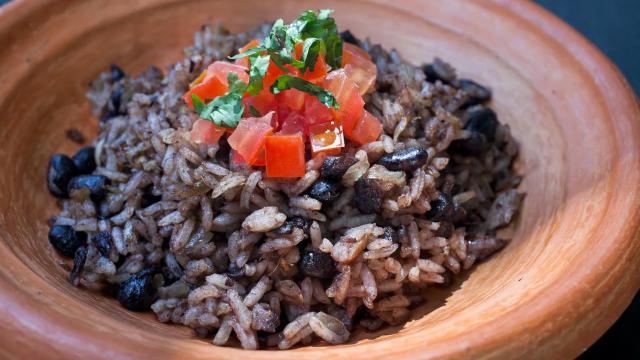
Perhaps Costa Rica's most famous dish.
Rice and beans cooked with herbs, vegetables, and regional seasonings.
Rich in flavor.
Comforting.
Authentically Costa Rican.
A delicious preparation showcasing one of Costa Rica's most beloved root vegetables.
Creamy.
Tender.
Perfectly seasoned.
Golden cassava fritters stuffed with savory fillings.
Popular street food with Caribbean roots.
Guests love learning how to shape and fry them properly.
A colorful combination of vegetables, eggs, and creamy dressing that remains popular throughout Costa Rica.
One of the workshop's signature dishes.
Slow-cooked chicken infused with coconut milk, spices, herbs, and tropical flavors.
Comforting.
Fragrant.
Incredibly satisfying.
Traditional rice pudding.
Sweet.
Creamy.
Cinnamon scented.
A nostalgic dessert found in many Costa Rican homes.
Guests may also prepare special sweet treats depending on ingredient availability and host preferences.
Every recipe offers insight into Costa Rica's cultural diversity.
Some recipes reflect Caribbean traditions.
Others showcase indigenous ingredients.
Some highlight Spanish influences.
Together they create a delicious culinary journey through the country.
Many visitors book this workshop expecting to learn recipes.
They leave talking about something entirely different.
The connections they made.
Cooking naturally brings people together.
There is something uniquely powerful about preparing food with strangers.
People talk more.
Laugh more.
Share travel stories.
Exchange recommendations.
Discuss future adventures.
Celebrate successes.
Help each other.
Take photos.
Toast drinks.
Enjoy spontaneous moments.
Unlike restaurant dining, which often feels passive, this experience encourages participation from beginning to end.
You become part of the energy.
Part of the conversation.
Part of the memory.
For solo travelers, this can be one of the easiest and most enjoyable ways to meet people in Costa Rica.
Couples often describe the class as a perfect date night.
Families appreciate the welcoming atmosphere.
Groups of friends frequently call it the highlight of their San José visit.
Food simply has a remarkable ability to erase barriers.
And in this kitchen, everyone belongs.
In today's world, travelers want experiences.
Not just attractions.
Not just checklists.
Real experiences.
Moments worth remembering.
Moments worth photographing.
Moments worth posting.
This workshop delivers exactly that.
Colorful ingredients spread across countertops.
Fresh herbs.
Golden fried plantains.
Beautiful cocktails.
Laughing guests.
Traditional dishes.
Celebratory toasts.
Shared dinners.
Homemade desserts.
Smiling hosts.
The setting naturally creates opportunities for incredible travel photos.
Guests often leave with an entire gallery of images documenting one of the most authentic experiences of their Costa Rica vacation.
And unlike staged tourist activities, these memories feel genuine because they are genuine.
You cooked the food.
You prepared the drinks.
You created the atmosphere.
You helped shape the evening.
And that sense of participation is what transforms an ordinary cooking lesson into one of the most rewarding cultural activities available in San José.
Whether you consider yourself a skilled home cook or someone who rarely steps into the kitchen, this experience was intentionally created to be accessible, welcoming, and enjoyable for everyone.
No previous cooking experience is necessary.
You don't need to know culinary terminology.
You don't need special skills.
Only curiosity.
An appetite.
And a willingness to have fun.
Because at its heart, this workshop celebrates something universal.
People gathering together.
Preparing food.
Sharing stories.
Learning from one another.
And discovering that sometimes the best way to understand a destination is not through museums, monuments, or guidebooks.
Sometimes, the best way to understand a country is simply by pulling up a chair, raising a glass, and tasting what generations have lovingly cooked before you.
The 10 Recipe Boozy Cooking Workshop is thoughtfully organized to provide guests with a relaxed yet highly engaging culinary experience. Every stage of the class is designed to ensure visitors not only enjoy delicious Costa Rican food and beverages but also gain a deeper appreciation for the traditions, hospitality, and flavors that make Costa Rica one of Latin America's most beloved destinations.
Unlike conventional cooking schools that emphasize rigid instruction and technical perfection, this experience focuses on participation, connection, and enjoyment.
Guests are encouraged to ask questions, share stories, taste ingredients, experiment with techniques, and fully immerse themselves in an evening dedicated to celebrating Costa Rican culture.
Your culinary journey begins with a warm Costa Rican welcome.
Upon arrival at the host location in San José, guests are greeted by friendly local instructors who introduce themselves and provide an overview of the evening.
A refreshing welcome drink is served shortly after check-in.
Depending on availability and seasonal ingredients, guests may enjoy:
Guaro Sour
Mojito
Chiliguaro Shot
Miguelito Shot
Agua de Sapo
Fresh Tropical Juice
Homemade Sangria
The hosts explain the history behind Costa Rica's famous guaro liquor and discuss how beverages play an important role in social gatherings throughout the country.
This initial welcome period allows participants to get comfortable, meet fellow travelers, and begin enjoying the relaxed atmosphere that defines the entire workshop.
Before cooking begins, instructors provide an entertaining overview of Costa Rica's culinary identity.
Topics commonly discussed include:
Long before Spanish colonization, indigenous communities cultivated crops such as:
Cassava
Corn
Beans
Squash
Cacao
Plantains
Many of these ingredients remain staples in modern Costa Rican cooking.
Spanish settlers introduced:
Rice
Cattle
Dairy products
Pork
Citrus fruits
Various cooking techniques that merged with local traditions.
Costa Rica's Caribbean coast contributes significantly to the country's gastronomic diversity.
Guests learn about:
Coconut milk cooking
Spice blends
Seafood dishes
Afro-Caribbean traditions
Plantain-based recipes
These influences are evident throughout several dishes prepared during the workshop.
One of the most rewarding aspects of this experience is active participation.
Everyone cooks.
Nobody simply watches.
Guests rotate through various preparation stations while instructors demonstrate methods and provide guidance.
Participants begin by preparing one of the country's favorite appetizers.
Ingredients typically include:
Fresh fish or seafood
Lime juice
Red onion
Cilantro
Sweet peppers
Salt
Pepper
Special seasonings
Guests learn:
Proper marinating techniques
Flavor balancing
Knife skills
Traditional serving styles
The result is a bright and refreshing starter perfect for warm tropical evenings.
Next comes a simple but beloved dish.
Fresh avocados are transformed into creamy guacamole using:
Lime
Garlic
Cilantro
Tomatoes
Onions
Local seasonings
Participants discuss regional variations found throughout Central America.
Patacones are a favorite comfort food in Costa Rica.
Guests learn how to:
Slice green plantains
Fry them once
Flatten them
Fry them again
Season perfectly
The finished product becomes wonderfully crispy outside while remaining tender inside.
Patacones are often paired with ceviche and homemade dips.
Perhaps the most iconic Costa Rican dish.
Guests discover the secrets behind authentic gallo pinto.
Ingredients include:
Rice
Beans
Vegetables
Fresh herbs
Traditional sauces
Spices
Hosts explain why gallo pinto differs significantly between the Pacific and Caribbean regions.
Participants often enjoy comparing flavors and cooking techniques.
Cassava remains an essential ingredient in many Costa Rican households.
Guests prepare tender cassava enhanced with:
Butter
Garlic
Parsley
Salt
Fresh herbs
This seemingly simple dish quickly becomes a favorite among participants.
One of the workshop's most exciting activities.
Guests create cassava dough and shape it around savory fillings.
Popular fillings include:
Ground beef
Cheese
Chicken
Vegetables
They then fry the pastries until perfectly golden.
Learning proper shaping techniques is often one of the most enjoyable moments of the evening.
A nostalgic dish enjoyed in Costa Rican celebrations.
Participants combine:
Potatoes
Carrots
Peas
Eggs
Mayonnaise
Seasonings
Hosts explain how international recipes became integrated into Costa Rican family gatherings.
This dish represents the rich flavors of Costa Rica's Caribbean region.
Ingredients may include:
Chicken
Coconut milk
Bell peppers
Garlic
Thyme
Scallions
Local spices
Guests observe how coconut milk creates remarkable depth and aroma.
The finished dish is rich, comforting, and incredibly flavorful.
No Costa Rican feast feels complete without dessert.
Participants prepare creamy rice pudding featuring:
Milk
Rice
Sugar
Vanilla
Cinnamon
Raisins
Nutmeg
Many travelers later recreate this recipe at home because it captures the warmth of Costa Rican hospitality.
The final preparation may vary depending on availability.
Examples include:
Tres Leches Cake
Plantain Desserts
Chocolate Treats
Traditional Custards
Signature cocktails
This surprise element adds excitement and encourages repeat visitors.
After preparing ten delicious recipes, guests gather around the dining table.
Everyone enjoys the dishes they helped create.
Drinks continue flowing.
Stories continue unfolding.
Travel recommendations are exchanged.
Photographs are taken.
New friendships often emerge.
The atmosphere resembles a family dinner rather than a commercial activity.
Many visitors describe this communal meal as the highlight of their entire Costa Rica vacation.
There is plenty of food.
Most guests find themselves completely satisfied by the end of the evening.
Light meals beforehand are recommended.
Cooking involves movement.
Comfortable attire is ideal.
Closed-toe shoes are helpful but not mandatory.
Avoid clothing that may easily stain.
You'll likely want photos of:
Cocktails
Cooking stations
Prepared dishes
Group activities
Finished meals
Beautiful food presentations
Vegetarian guests are often accommodated.
Food allergies should be communicated in advance.
Hosts appreciate prior notice to ensure an enjoyable experience.
Many tours showcase Costa Rica.
Few allow visitors to participate directly in daily traditions.
Cooking alongside locals offers genuine insight into Costa Rican life.
Guests receive:
Ten recipes
Unlimited drinks
Multiple appetizers
Main dishes
Desserts
Cultural storytelling
Hands-on instruction
A social dining experience
The amount of value packed into a single evening makes this workshop particularly attractive.
Perfect for:
Solo travelers
Couples
Families
Friends
Food enthusiasts
Digital nomads
Honeymooners
Birthday celebrations
Small private groups
Corporate retreats
Cooking beginners
Experienced chefs
Most souvenirs eventually gather dust.
Recipes last forever.
Guests leave with knowledge they can share for years.
Cooking Costa Rican dishes at home becomes a meaningful reminder of their journey.
Booking in advance offers several benefits.
Workshops often operate with smaller groups to maintain an intimate atmosphere.
Early reservations help guarantee availability.
Cooking workshops pair perfectly with:
City tours
Coffee farm visits
Volcano excursions
Museum visits
Nightlife experiences
Airport layovers
First-night activities
Final-night celebrations
Joining the workshop early during your Costa Rica vacation provides excellent local recommendations from hosts and fellow travelers.
Guests frequently discover hidden restaurants, neighborhoods, and attractions through casual conversations during class.
Travelers consistently seek experiences that feel authentic and worthwhile.
This workshop succeeds because it combines:
Professional instruction
Warm hospitality
Authentic family recipes
Fresh ingredients
Hands-on participation
Interactive storytelling
Relaxed social engagement
Exceptional food quality
Memorable photo opportunities
A welcoming environment for all skill levels
It is an experience built around human connection rather than mass tourism.
Guests are not treated like spectators.
They become participants.
Contributors.
Friends gathered around a table.
And those shared moments often become the stories travelers tell long after returning home.
If you're searching for an activity that goes beyond sightseeing, this 10 Recipe Boozy Cooking Workshop offers an extraordinary opportunity to discover Costa Rica through its most universal language: food.
Spend an evening learning traditional recipes, enjoying handcrafted drinks, meeting wonderful people, and experiencing the warmth of Costa Rican hospitality firsthand.
Taste flavors passed down through generations.
Prepare dishes you can recreate at home.
Celebrate culture through cooking.
Share laughter over cocktails.
Create memories that outlast souvenirs.
Whether you are visiting Costa Rica for the first time or returning for another adventure, this cooking workshop promises an authentic, delicious, and genuinely unforgettable experience in the heart of San José.
Spaces are often limited, and intimate group sizes help preserve the welcoming atmosphere that makes this experience so special.
Book your workshop in advance, bring your appetite, and prepare to cook, sip, laugh, and discover why Costa Rica is best experienced one delicious recipe at a time.
Your seat at the table is waiting.
The cooking workshop typically lasts approximately 3.5 to 4 hours, giving guests plenty of time to enjoy welcome drinks, learn about Costa Rican cuisine, prepare ten traditional recipes, socialize with fellow travelers, and sit down together to enjoy the meal they have created. The relaxed pace ensures participants never feel rushed and can fully immerse themselves in the culinary experience.
The workshop takes place in a welcoming local home or culinary venue in San José, Costa Rica. The exact meeting location and arrival instructions are generally provided after booking confirmation. The setting is designed to feel intimate, authentic, and comfortable, allowing guests to experience Costa Rican hospitality firsthand.
Transportation policies may vary depending on the booking option selected. Travelers should review their booking details carefully or contact the tour operator before arrival to confirm whether hotel pickup and drop-off services are included.
Many visitors choose to arrive by taxi, rideshare service, or private transportation.
Guests participate in preparing approximately ten traditional Costa Rican recipes, including appetizers, side dishes, main courses, desserts, and signature beverages.
Popular dishes may include:
Fresh ceviche
Patacones
Caribbean-style gallo pinto
Butter cassava
Carimañolas
Caribbean chicken
Guacamole
Russian salad
Arroz con leche
Seasonal desserts or specialty cocktails
Menus may vary slightly depending on seasonal ingredients and host preferences.
Yes.
One of the most popular aspects of this experience is the opportunity to enjoy a variety of local alcoholic beverages during the workshop.
Drinks may include:
Guaro Sours
Mojitos
Chiliguaro shots
Miguelito shots
Sangria
Tropical cocktails
Alcohol consumption is optional, and guests are welcome to enjoy non-alcoholic beverages instead.
Absolutely.
Travelers who do not drink alcohol can enjoy refreshing alternatives such as:
Agua de sapo
Tropical fruit juices
Homemade lemonade
Ginger beverages
Soft drinks
Water
The experience is designed to be enjoyable for everyone regardless of drinking preferences.
No previous cooking experience is required.
This workshop is suitable for:
Complete beginners
Casual home cooks
Experienced food lovers
Professional chefs looking to explore Costa Rican cuisine
Hosts provide clear guidance throughout the evening, making it easy for everyone to participate confidently.
Children may participate depending on the operator's age policies.
Families traveling with children should verify age requirements before booking.
Older children and teenagers who enjoy cooking often find the workshop highly entertaining and educational.
Parents should also consider that alcoholic beverages are part of the social experience for adult participants.
Yes.
The workshop is generally considered suitable for seniors because it involves light kitchen activities and a relaxed pace.
Participants can often sit when needed, enjoy conversations, and participate as much or as little as they prefer.
Guests with mobility concerns should inquire in advance regarding accessibility arrangements.
Vegetarian travelers are frequently accommodated.
Hosts appreciate advance notice so they can modify ingredients or suggest suitable substitutions.
Some dishes can be adapted while maintaining traditional Costa Rican flavors.
Guests with allergies should notify the operator at the time of booking.
Common dietary considerations include:
Seafood allergies
Gluten intolerance
Dairy restrictions
Nut allergies
Vegetarian preferences
Providing information in advance helps ensure a safer and more enjoyable culinary experience.
Comfortable clothing is recommended.
Suggested attire includes:
Lightweight shirts
Casual pants or shorts
Comfortable footwear
Clothing suitable for cooking
Avoid wearing delicate fabrics or expensive clothing that could potentially become stained while preparing food.
This is a hands-on experience.
Guests actively participate in:
Chopping ingredients
Mixing sauces
Frying plantains
Preparing cocktails
Seasoning dishes
Shaping pastries
Decorating desserts
Everyone has opportunities to contribute throughout the workshop.
Many cooking experiences provide guests with recipes digitally or in printed form, allowing participants to recreate their favorite dishes at home.
Availability may vary, so travelers are encouraged to ask hosts during the class.
Numerous guests consider these recipes among their favorite souvenirs from Costa Rica.
Yes.
The experience is typically conducted in English, and many hosts are bilingual.
Instructions are clear, easy to follow, and designed to make international visitors feel welcome.
Spanish-speaking guests are also generally accommodated.
Group sizes are intentionally kept relatively small to maintain a friendly and interactive atmosphere.
Smaller groups allow guests to:
Ask questions easily
Receive personal attention
Participate actively
Engage in conversations with hosts and fellow travelers
This intimate setting is one reason why the workshop receives positive feedback from visitors.
Rain rarely impacts the experience.
Cooking workshops take place indoors, making them an excellent activity during Costa Rica's rainy season.
Guests can enjoy delicious food, drinks, and cultural immersion regardless of weather conditions.
Many travelers intentionally book this activity as a backup plan for rainy afternoons in San José.
Yes.
Guests have access to restroom facilities during the workshop.
Participants can take breaks whenever needed while cooking, dining, or enjoying beverages.
Definitely.
Solo travelers often consider this one of the best experiences in San José.
Cooking naturally encourages conversation and interaction, making it easy to meet people from around the world.
Many guests leave with new friendships, restaurant recommendations, and shared travel plans.
Restaurants allow travelers to taste Costa Rican dishes, but this workshop provides a much deeper cultural experience.
Guests can:
Learn authentic family recipes.
Cook alongside local hosts.
Discover culinary traditions.
Enjoy unlimited drinks.
Meet fellow travelers.
Understand ingredient origins.
Hear personal stories about Costa Rican culture.
Recreate dishes long after returning home.
Rather than being a passive dining experience, the workshop allows visitors to become active participants in one of Costa Rica's most cherished traditions—sharing food, drinks, and conversation around the table.
After completing your reservation, our team will contact you one day before your tour to confirm your exact hotel / Airbnb pickup time or meeting point.
If you selected a meeting point during your booking, please note that your reservation is fully confirmed — simply arrive at the chosen location at the scheduled time.
Please ensure the WhatsApp number, phone number, or email you entered during booking is correct so we can reach you smoothly.
For any changes to your reservation, weather questions, or special requests, feel free to contact us:
We look forward to welcoming you! 🌴✨
The effort that the team had with every thing its top, the tour made it easy! Great every one thank and book them with your trip 1 all.
Perfect tour with excellent service. One of the most memorable tours I've ever been on, this tour showed me a lot.
Excellent tour company. We saw a lot of great places. A fantastic day and good value for money.
My favorite thing was how well the tour was paced! This tour offered great experiences, great sights and wonderful food.
I highly recommend this tour. The scenery was stunning, and the guide made it even better. Five stars!